 By Fabian Trueman
An electrical safety inspection is a thorough check of your home’s wiring, switchboard, power points, light fittings, safety switches, and smoke alarms by a licensed electrician. It identifies hidden faults, fire hazards, and non-compliant work before they become dangerous.
Every Gold Coast home benefits from a periodic inspection, whether you are buying, selling, renovating, or simply maintaining a property you have lived in for years. T42 Electrical & Air Conditioning provides comprehensive electrical safety inspections across the Gold Coast. This guide explains what an inspection covers, when you need one, and what to expect.
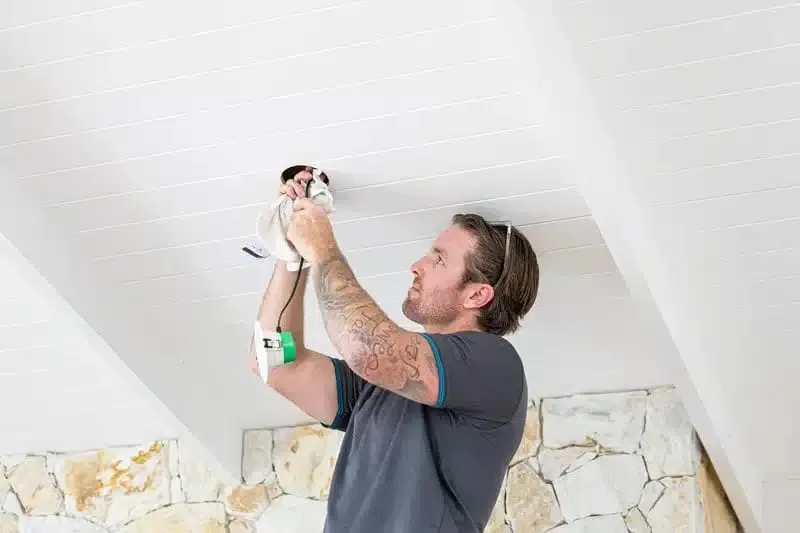
What an Electrician Checks During an Inspection
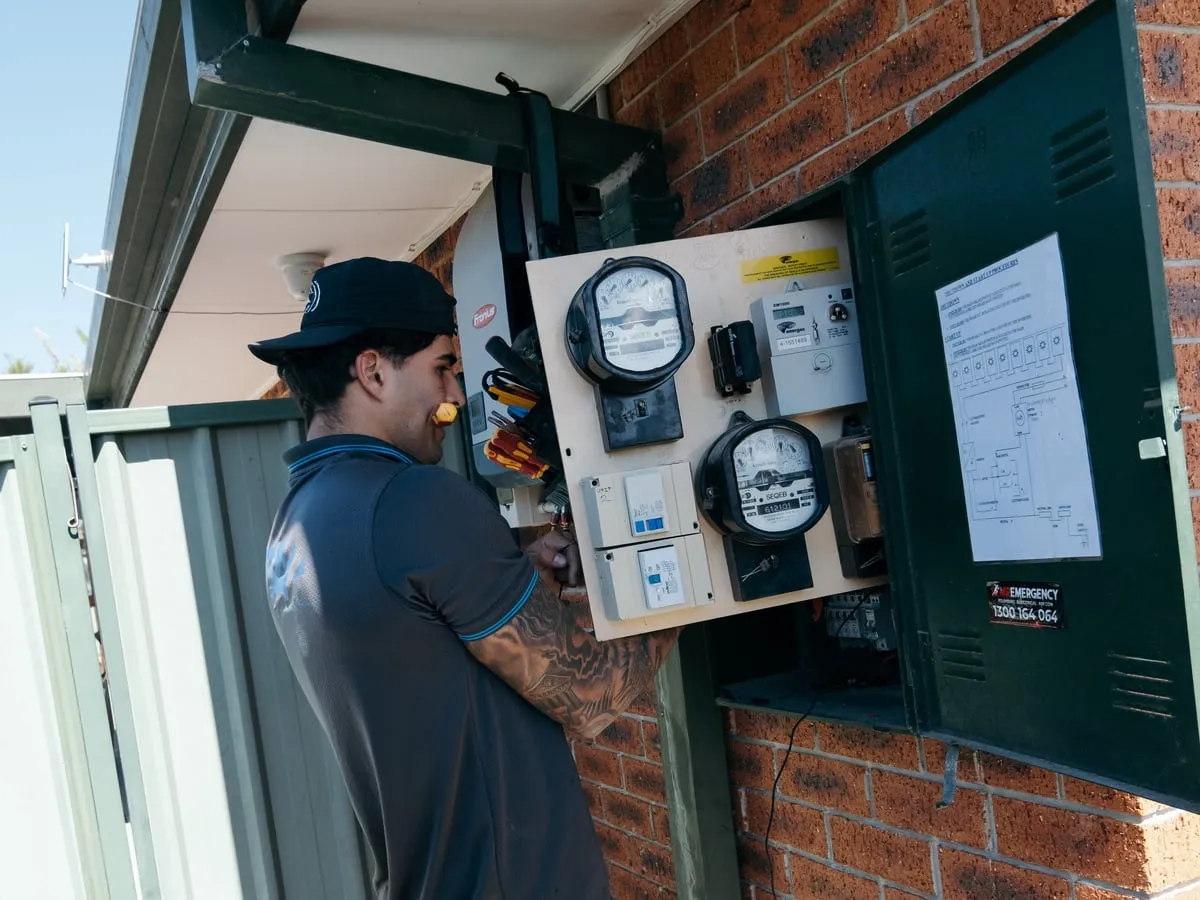
A comprehensive electrical safety inspection covers every accessible part of your home’s electrical system. The electrician works through a structured checklist from the meter box to the last power point:
Switchboard Condition and Compliance
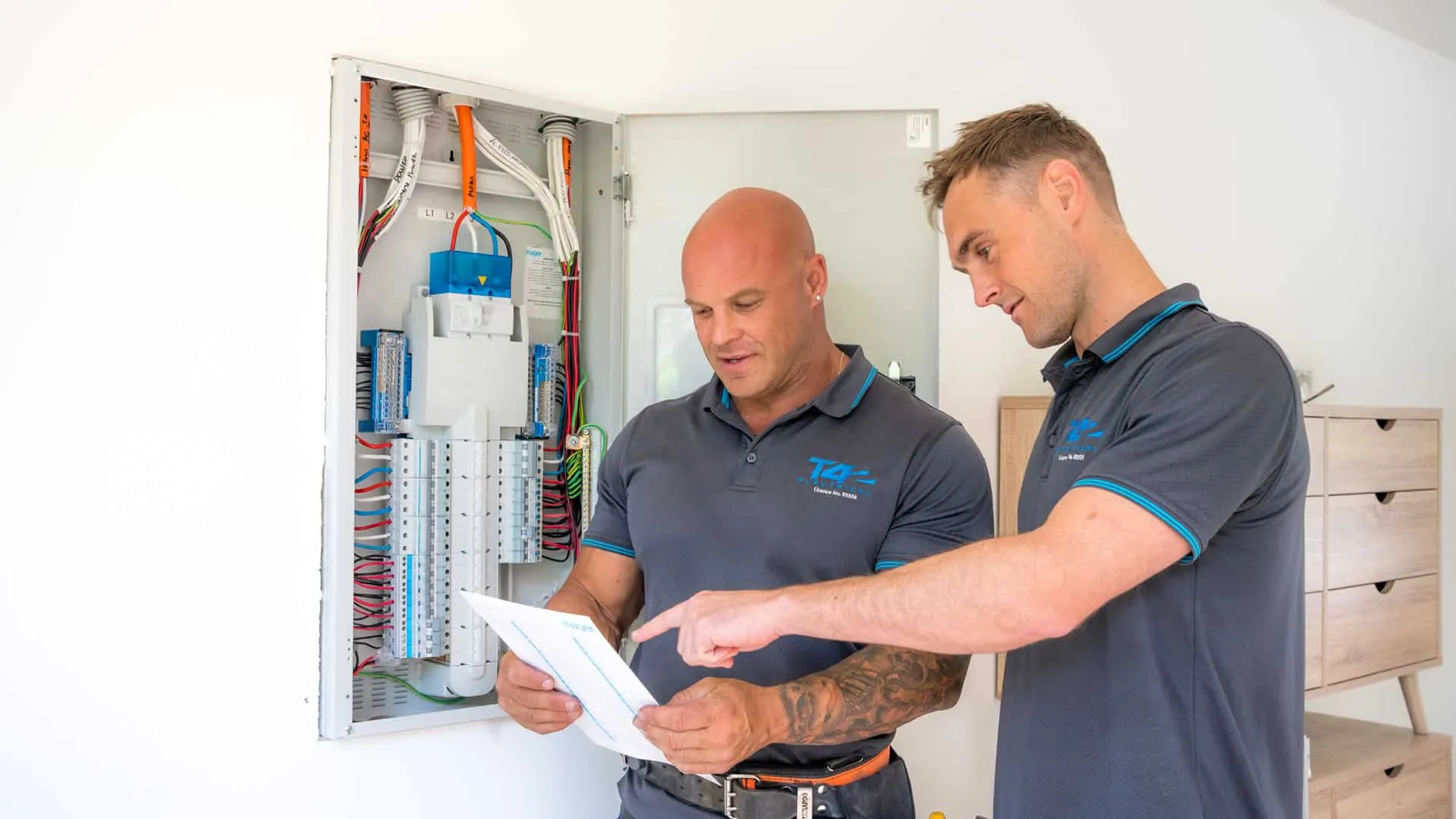
The electrician opens the switchboard and inspects every circuit breaker, safety switch, bus bar, and connection for wear, corrosion, heat damage, and compliance with current standards.
Loose terminals are tightened, and any breakers or safety switches that fail testing are flagged for replacement. Older switchboards with ceramic fuses or rewirable fuses are identified as needing a switchboard upgrade.
Safety Switch (RCD) Testing
Each safety switch is tested with a calibrated instrument to confirm it trips within the required 30-millisecond timeframe. A safety switch that passes the push-button test but fails the calibrated test is not providing reliable protection.
According to the Queensland Government, safety switches should be tested every three months and installed on all circuits.
Insulation Resistance Testing
The electrician uses an insulation resistance tester to measure the condition of wiring insulation on every circuit. Degraded insulation allows current to leak to earth, creating a fire risk and a shock hazard that is invisible without testing.
This is the most important test in the entire inspection because it finds faults hidden inside walls.
Power Point and Switch Inspection
Every accessible power point and light switch is checked for secure mounting, correct wiring, signs of heat damage, and proper operation.
Warm, discoloured, or cracked fittings are flagged as immediate replacement priorities. The electrician also checks for any non-compliant DIY work at each fitting.
Smoke Alarm Assessment
All smoke alarms are tested for correct operation, checked for compliance with current Queensland legislation, and assessed for age and type.
The Queensland Fire Department requires all homes to have interconnected photoelectric smoke alarms by 1 January 2027. Expired, ionisation, or non-interconnected alarms are flagged for upgrade.
Lighting and Wiring Assessment
Light fittings, downlight transformers, and visible wiring are inspected for heat damage, incorrect installation, and compliance.
The electrician checks that downlights have appropriate clearance from insulation and that all wiring is mechanically protected. Outdoor lighting and wet area fittings receive additional scrutiny for weatherproofing.
Earth System Testing
The electrician tests the main earthing system to confirm it provides a safe path for fault current. A weak or damaged earth connection means safety switches may not operate correctly during a fault. This test is critical for homes built before modern earthing standards were introduced.
More: Why Does My Power Keep Going On and Off?
When You Need an Electrical Safety Inspection
Not every home needs an inspection at the same time. This decision framework helps you determine when yours is due:
Before Buying a Property
A pre-purchase electrical inspection reveals hidden faults, non-compliant work, and costly issues that a building inspector may not identify. Rewiring a house, upgrading a switchboard, or replacing unsafe work found after settlement can cost thousands. Knowing before you buy gives you negotiating power and avoids surprises.
Before Selling a Property
An inspection before listing gives you time to fix any issues and present a compliant, safe property to buyers. A clean electrical inspection report adds value and reassurance during negotiations. It also protects you from future claims about undisclosed defects.
If Your Home Is Older Than 25 Years
Homes in Nerang, Ashmore, Southport, and Carrara built before 2000 may have wiring that has degraded below safe levels without any visible signs.
Insulation breaks down over decades of heat exposure, humidity, and pest activity. An inspection identifies exactly which circuits need attention before a fault develops.
After a Major Storm or Flood
Severe weather can damage wiring, switchboard connections, and underground cables in ways that are not immediately visible.
The Gold Coast averages over 30 thunderstorm days per year, and coastal suburbs from Burleigh Heads to Currumbin are particularly exposed. A post-storm inspection catches damage before it causes a fault.
Before or During Renovations
Renovations often uncover old wiring that does not meet current standards and add new circuits that must integrate safely with the existing system.
An inspection before work begins establishes the baseline condition and identifies what needs upgrading. Under Queensland electrical licensing laws, all electrical work must be done by a licensed electrician.
For Rental Property Compliance
Queensland landlords must ensure their rental properties meet electrical safety requirements, including working safety switches and compliant smoke alarms.
Regular inspections protect tenants and reduce landlord liability. An inspection report provides documented evidence of compliance.
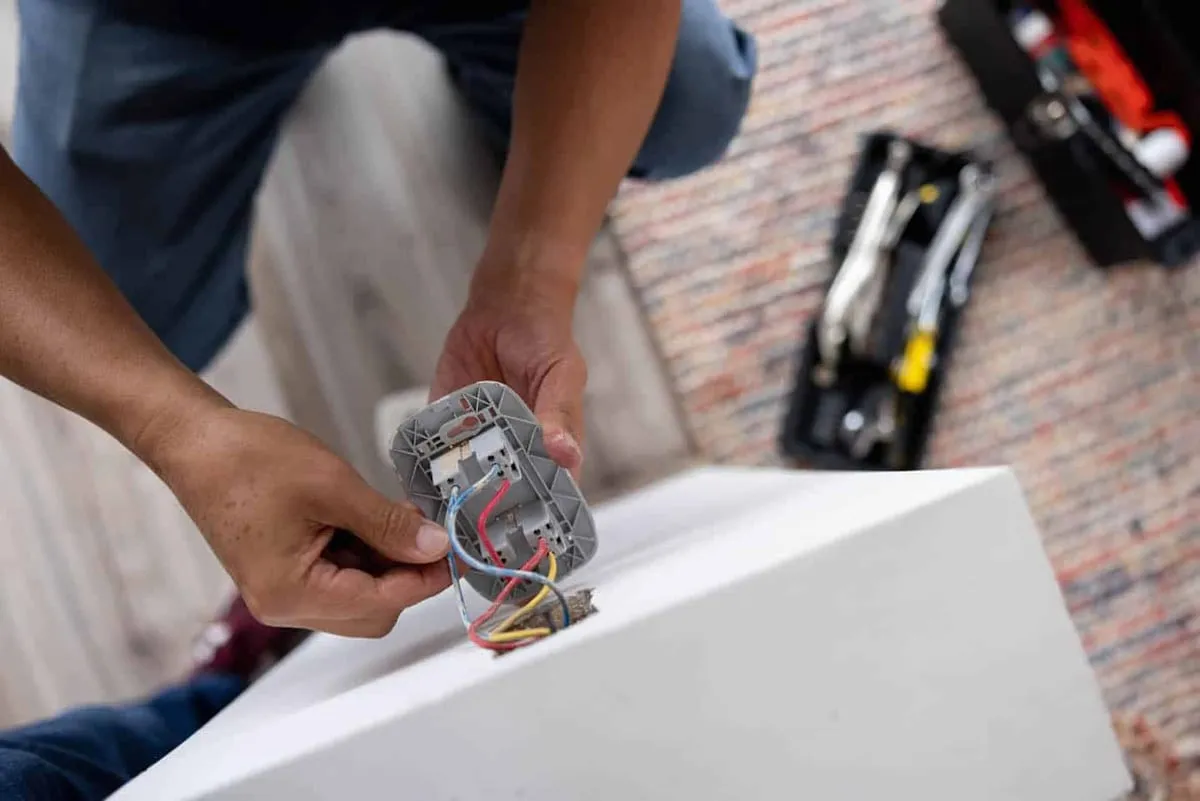
Warning Signs You Need an Inspection Now
Some situations signal that an inspection is overdue. This table helps you assess the urgency:
| What You Are Experiencing | Urgency Level | What It Could Mean |
| Flickering lights or dimming without explanation | Moderate | Loose connections or degraded wiring |
| Power points warm to the touch or discoloured | High | Overheating from arcing or an overloaded circuit |
| Burning smell from walls, switches, or switchboard | Urgent | An active electrical fault is generating dangerous heat |
| Safety switch tripping repeatedly | High | Earth leakage from faulty wiring or an appliance |
| Circuit breakers that trip under normal load | Moderate | Overloaded circuit or failing breaker |
| Tingling sensation from taps or appliances | Urgent | Earth fault creating shock risk |
| Sparking at power points | High | Worn contacts or loose connections |
| The home has never had an electrical inspection | Moderate | Unknown condition of wiring and safety devices |
If you are experiencing a burning smell, tingling from metal fixtures, or visible sparking, stop using the affected area and call an electrician immediately.
More: Why Does My House Smell Like Burning Plastic?
What Does an Inspection Cost
The cost of an electrical safety inspection depends on the size of the property, the age of the electrical system, and the scope of testing required:
Typical Cost Range for Gold Coast Homes
A standard residential electrical safety inspection for a three-bedroom Gold Coast home typically takes one to two hours. The cost depends on the number of circuits, the age and condition of the switchboard, and whether additional testing, such as thermal imaging, is included. We provide a no-obligation quote before any work begins so you know the cost upfront.
What Affects the Price
Larger homes with more circuits take longer to test. Older homes with original wiring often require more detailed insulation resistance testing across every circuit. Properties with multiple switchboards, outbuildings, or pool equipment require additional inspection time.
Why It Pays for Itself
An inspection that identifies a corroded switchboard connection, degraded wiring, or a faulty safety switch before it causes a fire or electric shock pays for itself many times over. Insurance claims for electrical fires can be complicated if the home’s electrical system was not maintained. Prevention through regular inspection is always the cheaper option.
What Happens After the Inspection
The inspection does not end when the electrician finishes testing. You receive a structured report that guides next steps:
The Condition Report
The electrician provides a written condition report summarising the overall state of your electrical system and listing every defect, non-compliance, and recommendation. Items are typically categorised by urgency: immediate action required, attention recommended, and monitor over time. This report becomes your roadmap for bringing the system up to standard.
Prioritising Repairs
Not every item in the report needs fixing immediately. Safety-critical issues like faulty safety switches, exposed wiring, and fire-risk connections are addressed first. Lower-priority items like outdated power point styles or additional circuit recommendations can be scheduled over time.
Booking the Remedial Work
If repairs are needed, the electrician can provide a quote for the remedial work at the same time as the inspection report. Combining the inspection and repair into one visit saves time and call-out fees. Our family-owned team of accredited master electricians handles both inspection and repair in a single appointment wherever possible.
Why Gold Coast Homes Need Regular Inspections
Several factors specific to the Gold Coast make regular electrical safety inspections more important here than in many other regions:
Coastal Corrosion on Electrical Connections
Salt air in Burleigh Heads, Mermaid Waters, Palm Beach, and Currumbin corrodes switchboard terminals, power point contacts, and wiring connections over time. Corroded connections generate heat, increase resistance, and create arcing that causes fire. Regular electrical inspections in coastal homes catch corrosion early.
Ageing Electrical Systems in Established Suburbs
Homes in Nerang, Ashmore, Carrara, and Southport built in the 1970s through 1990s often have original wiring, ceramic fuse switchboards, and circuits designed for far fewer appliances than modern households demand. These older systems lose energy through resistance and degrade without visible warning signs. An inspection identifies exactly what needs upgrading.
Storm Damage Risk
The Gold Coast’s subtropical climate brings intense thunderstorms from October through April. Lightning, wind, and flooding can damage wiring, switchboard connections, and underground cables. A post-storm inspection is essential for homes in exposed coastal and elevated suburbs.
High Summer Electrical Demand
Homes in Coomera, Upper Coomera, Pimpama, and Robina with large floor plans and ducted air conditioning push circuits close to capacity for months during summer. Circuits running at high load accelerate wear on wiring insulation and switchboard connections. An inspection confirms whether the system can safely handle the demand.
After completing an electrical safety inspection for a Gold Coast homeowner, the team received this feedback:
“Thank you to Angela, who took my enquiry very kindly and efficiently. To Toby, the electrician, who was on time, professional, and very friendly. Very kind in explaining everything to me. Found my electrician. Thank you,”, Sandy Power
How to Prepare for Your Inspection
A little preparation helps the electrician work efficiently and ensures nothing is missed:
Ensure Access to the Switchboard
Clear any items stored in front of or near the switchboard so the electrician can open the cover and work safely. If the switchboard is in a locked room or garage, make sure it is accessible. The electrician needs full, unobstructed access for the entire inspection.
Note: Any Known Issues
Write down any flickering lights, tripping switches, warm power points, or unusual smells you have noticed. Specific observations help the electrician prioritise testing on the circuits most likely to have faults. Even intermittent issues that seem minor can point to developing problems.
Make Sure All Circuits Are Active
Leave all circuit breakers and safety switches in the on position so the electrician can test every circuit. If any circuits are turned off for a reason, let the electrician know so they can factor this into the testing. Circuits that cannot be tested will be noted as untested in the report.
More: Why Is Your Circuit Breaker Buzzing at the Switchboard?
Areas We Service
T42 Electrical & Air Conditioning services homes across the Gold Coast, including Southport, Nerang, Ashmore, Carrara, Robina, Mudgeeraba, Burleigh Heads, Burleigh Waters, Palm Beach, Mermaid Waters, Coomera, Upper Coomera, Pimpama, Pacific Pines, Elanora, Currumbin, Varsity Lakes, Worongary, Helensvale, Broadbeach, and surrounding suburbs.
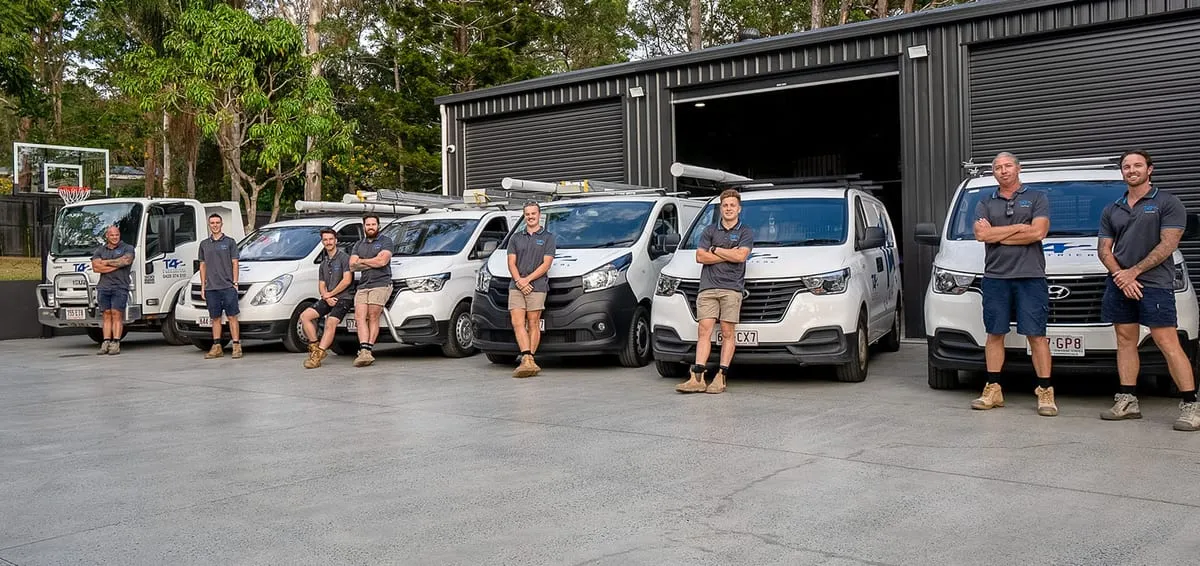
Book Your Electrical Safety Inspection Today
If your home has not had an electrical safety inspection in the last five years, call T42 Electrical & Air Conditioning on 0428 374 510. We provide same-day service, no-obligation quotes, and a lifetime workmanship warranty on every job. With 300+ five-star reviews and 25+ years of experience, we inspect, diagnose, and fix electrical faults across the Gold Coast every day.
Frequently Asked Questions
What does an electrical safety inspection include?
An electrical safety inspection covers the switchboard, safety switches, wiring insulation, power points, light switches, smoke alarms, earthing system, and lighting. The electrician tests every accessible component using calibrated instruments. You receive a written condition report listing all findings and recommendations.
How much does an electrical safety inspection cost?
The cost depends on the property size, age of the system, and scope of testing required. We provide a no-obligation quote before any work begins. Contact us for a price specific to your Gold Coast property.
How often should I get an electrical safety inspection?
Every two to five years depending on the age of your property and its electrical system. Homes older than 25 years, coastal properties, and rental properties should be inspected more frequently. Post-storm inspections are recommended after severe weather events.
Is an electrical safety inspection mandatory in Queensland?
There is no blanket legal requirement for owner-occupied homes, but landlords must ensure rental properties meet electrical safety obligations. Pre-purchase inspections are strongly encouraged by the Queensland Electrical Safety Office. Smoke alarm compliance is mandatory for all homes by 1 January 2027.
What happens if my inspection finds faults?
The electrician provides a condition report categorising each item by urgency. Safety-critical issues are prioritised for immediate repair. Lower-priority items can be scheduled over time based on your budget and the electrician’s recommendations.
Who can perform an electrical safety inspection in Queensland?
Only a licensed electrician holding a current Queensland electrical work licence can perform an electrical safety inspection. Unlicensed persons are not permitted to test or work on electrical systems. Always verify your electrician’s licence before booking.
Written by
Fabian Trueman
Founder of T42 Electrical & Air Conditioning, leading a team of accredited master electricians with over 25 years of experience.