 By Fabian Trueman
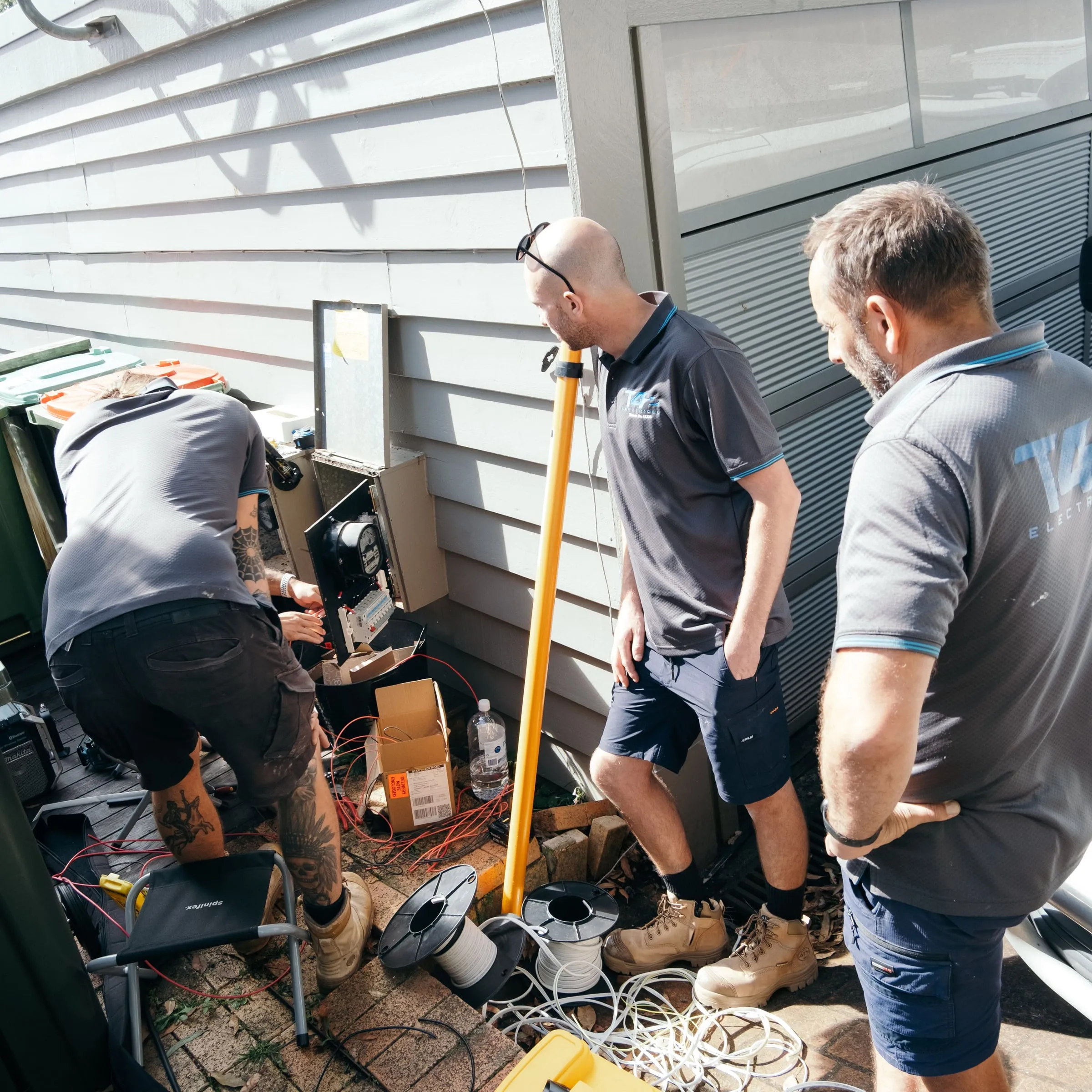
Electric shocks from taps in Nerang usually mean electricity may be leaking into metal plumbing, wet-area fittings, or connected electrical equipment. It is not normal, even if it only feels like a small tingle, and it needs urgent safety checking. Call a licensed Gold Coast electrician to find the fault.
Older wiring, renovations, wet areas, and outdoor circuits can all increase the risk around metal fittings. T42 Electrical & Air Conditioning helps Gold Coast homes find the cause safely. This guide covers first steps, common causes, testing, prevention, and when to call.
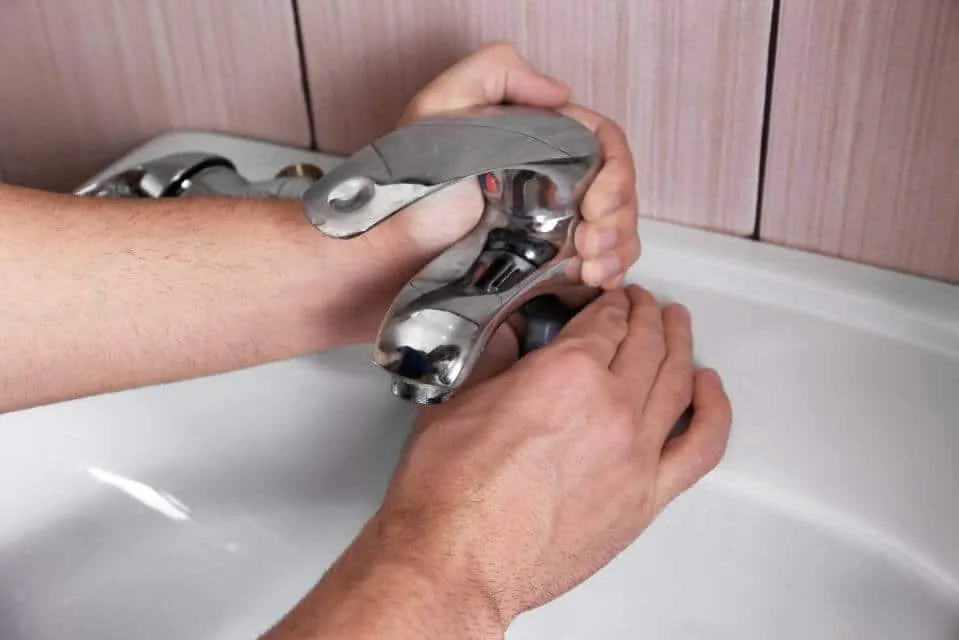
What Does a Shock From a Tap Mean?
A shock from a tap means something in the electrical system needs urgent checking, and the safest approach is to treat it as a real fault:
It means current may be reaching metal fittings
A shock from a tap means electrical current may be travelling through something you can touch. The Electrical Safety Office says shocks or tingling from taps, appliances, or metal fittings are not normal. Treat the tap, sink, nearby appliance, and switchboard as unsafe until they have been checked.
It can feel small but still be serious
A light tingle can feel like pins and needles, a zap, or a sharp bite through your hand. Energex explains that tingling is still low-level electric shocks, not harmless static. If it happens once, assume there is an issue with wiring, earthing, bonding, an appliance, or the supply.
It may come from inside or outside the home.
The cause can sit inside the property, such as damaged wiring, a faulty appliance, or a switchboard issue. It can also come from the electricity network, which is why your distributor may need to inspect first. For most Gold Coast homes, Energex handles reports of shock and tingling on 13 19 62.
What Should You Do First If a Tap Shocks You?
If a tap shocks you, your first priority is to keep people away from the area and get the electrical supply checked safely:
Stay clear and warn everyone nearby
If a tap shocks you, stop touching it immediately and move away from the area. Keep children, pets, and visitors away from the tap, sink, appliance, pipework, and wet floor. Do not test it again, because a second shock can be stronger.
Call your electricity distributor
Energex says to call 13 19 62 immediately if you feel a shock or tingle from a water tap, appliance, power point, or metal fitting. Their crew can check whether the problem is a network issue or a private property issue. If someone is being shocked or cannot let go, call Triple Zero first.
Do not touch the switchboard yet
It is tempting to go straight to the meter box or switchboard, but that can be dangerous. The Electrical Safety Office advises people not to touch the meter box, switchboard, appliances, or metal fixtures until the property is made safe. Once the supply issue is ruled out, a Gold Coast electrical team can test the private wiring.
What Causes Electric Shocks From Taps in Nerang?
Electric shocks from taps in Nerang can come from earthing faults, damaged wiring, appliance faults, switchboard issues, or supply problems:
Faulty earthing or bonding
Earthing provides a safe path for fault current to return to ground, while bonding helps keep metal parts at the same voltage. If either system is damaged, loose, missing, or outdated, taps and pipework can become dangerous. This is one reason older Nerang homes require careful electrical fault-finding.
Damaged wiring near wet areas
Bathrooms, laundries, kitchens, and outdoor taps are high-risk areas because water lowers resistance. A damaged cable, poor connection, or moisture inside a fitting can create leakage current. If the issue occurs near a wet area, book electrical fault-finding before using that space again.
Faulty appliances connected to plumbing
Hot water systems, dishwashers, washing machines, pumps, fridges, and ovens can all cause shock symptoms if faulty. The current may travel through connected metalwork or nearby water fittings. A licensed tradesperson can isolate each appliance and test whether it is leaking current.
Switchboard or safety switch problems
A safety switch should turn off power within milliseconds when it detects current leakage. The Electrical Safety Office says safety switches protect people, while circuit breakers and fuses mainly protect wiring. If your switchboard has limited safety-switch protection, you may need switchboard upgrades.
How Can You Safely Narrow Down the Problem?
You can narrow down the likely cause by observing the pattern without touching the tap again or attempting DIY electrical testing:
Use the symptom pattern, not guesswork
The safest clue is the pattern, not repeated touching or DIY testing. Notice whether the shock happens at one tap, several taps, after rain, or when an appliance is running. Share those details with Energex and your electrician so testing starts in the right place.
Check this quick diagnosis table
This table helps you describe the issue clearly before help arrives. It does not replace electrical testing, and you should not touch the tap again to confirm symptoms. Use it only to report what already happened.
| What You Notice | Possible Cause | Safe Next Step |
| Shock from one tap only | Local bonding, appliance, or nearby wiring fault | Keep clear and arrange testing |
| Shock from several taps | Earthing, neutral, or supply issue | Call Energex immediately |
| Shock after rain | Moisture entering wiring, outdoor circuits, or fittings | Avoid wet areas and book urgent checks |
| Shock near hot water use | Hot water circuit or connected appliance fault | Stop using the system until tested |
| Safety switch trips as well | Current leakage from wiring or equipment | Leave the circuit off and call an electrician |
| No safety switch trips | Missing, faulty, or incomplete protection | Request switchboard and circuit testing |
Do not rely on one safety device
A working safety switch is important, but it does not mean every circuit is protected. Some older homes still have partial protection, especially on lighting, hot water, air conditioning, and outdoor circuits. The Electrical Safety Office recommends testing safety switches every three months.

Why Are Nerang and Nearby Homes More Prone?
Nerang and nearby Gold Coast suburbs can be more prone because many homes combine older wiring, renovations, outdoor circuits, and wet-area upgrades:
Nerang homes often mix older wiring with new loads
Many homes around Nerang have been extended, renovated, or fitted with newer appliances over time. That can leave older earthing, original switchboards, and newer high-demand circuits working together. Those mixed systems need careful testing when taps, appliances, or metal fittings feel live.
Carrara and Benowa renovations can hide old circuits
Renovated homes in Carrara and Benowa can look modern while still using older cable routes behind walls. Kitchen and bathroom upgrades often disturb wiring, bonding, and appliance circuits. If a shock appears after renovation work, do not assume the visible finish tells the full story.
Southport units may involve shared infrastructure
Townhouses and units in Southport can involve shared mains, common areas, strata switchboards, and grouped services. A tap shock may still be inside one unit, but the investigation needs to consider connected infrastructure. For rental properties, Queensland guidance says owners must keep rental homes electrically safe for tenants.
Robina and Mudgeeraba homes often include outdoor circuits
Homes in Robina and Mudgeeraba often have pools, pumps, garden lighting, sheds, and outdoor power. These circuits are exposed to moisture, pests, soil movement, and garden damage. A tap shock after rain may point to outdoor wiring, not only the bathroom or kitchen.
What Will an Electrician Actually Test?
A licensed electrician will test the switchboard, safety switches, earthing, bonding, appliances, wet areas, and outdoor circuits to find the cause:
The switchboard and safety switches
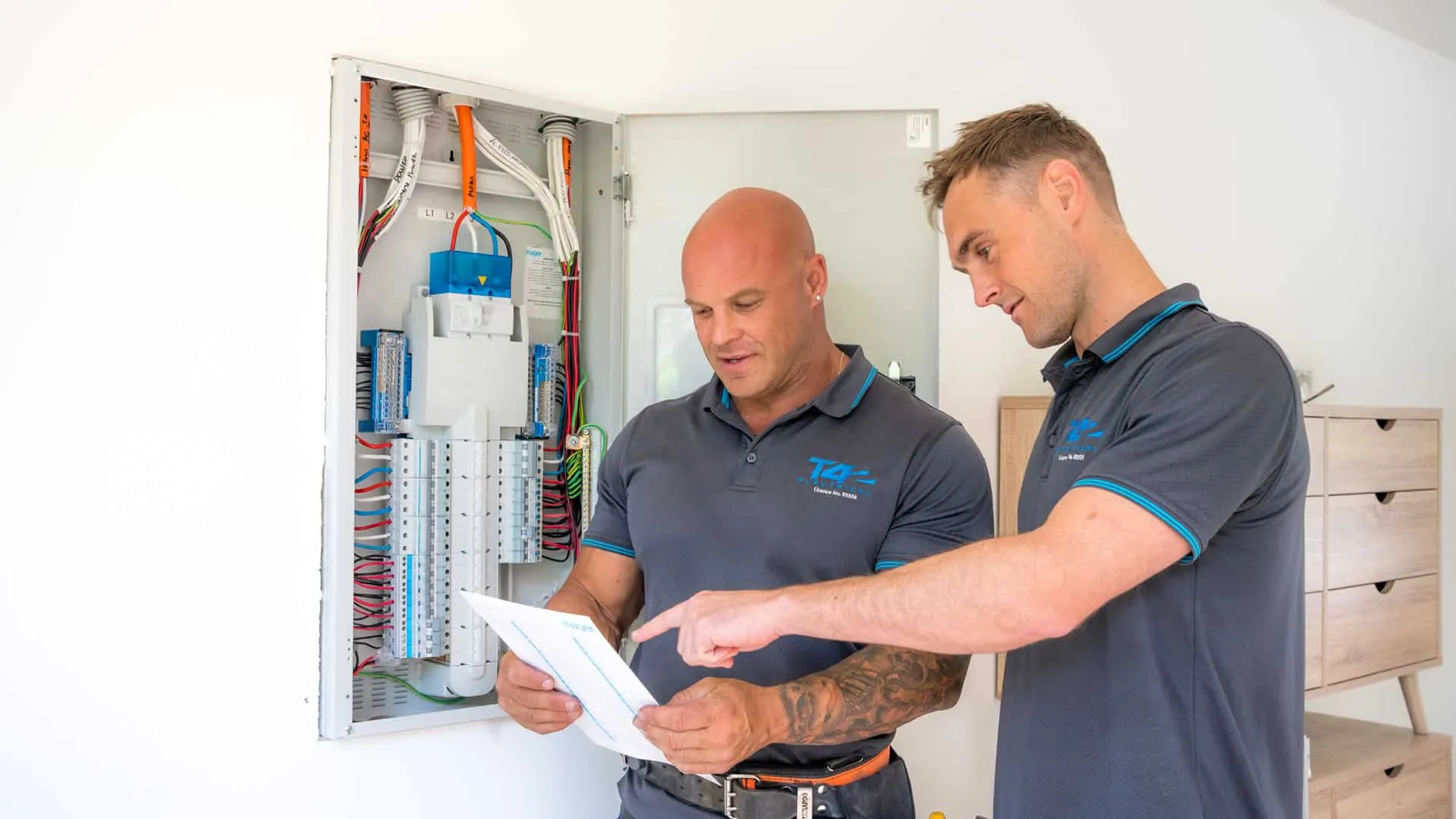
The first private-property check usually includes the switchboard, circuit labels, safety switches, and the visible condition of cables. In over 25 years of Gold Coast electrical work, I’ve found that clear circuit mapping prevents wasted time and unsafe assumptions. A proper electrical safety inspection checks what is protected and what is not.
Earthing, bonding and continuity
Earthing and bonding tests check whether metal parts are safely connected and capable of carrying fault current. The electrician may test continuity, resistance, polarity, fault loop impedance, and voltage between metal fittings. These tests help locate whether the danger is at the tap, appliance, circuit, switchboard, or supply.
Appliances, wet areas and outdoor circuits
The next step is to isolate appliances and circuits that commonly cause leakage current. Hot water systems, pumps, washing machines, dishwashers, ovens, outdoor lights, and garden circuits are checked individually. If a circuit is unsafe, electrical repairs should happen before it is returned to service.
Diagnosis before work begins
A good electrician explains the fault in plain language before starting repair work. You should know whether the issue is urgent, what caused it, and what needs to be fixed first. You get a clear diagnosis, practical options, and pricing before any work begins.

How Can You Prevent Another Shock?
You can reduce the risk of another shock by testing safety switches, maintaining wet-area circuits, and booking checks after storms or renovations:
Test safety switches every three months
Press the test button on each safety switch every three months, as recommended by the Electrical Safety Office. This confirms the switch can trip, but it does not prove every circuit is protected. If lights, pool equipment, hot water, or air conditioning stay on during testing, ask for a switchboard check.
Keep wet-area circuits checked
Bathrooms, laundries, kitchens, outdoor taps, and pool areas deserve extra attention because moisture quickly changes the risk. Book checks if you notice buzzing, tingling, tripping, flickering lights, burning smells, or corrosion around fittings. A residential electrician can inspect the wet-area circuits without unnecessarily disturbing finished surfaces.
Book checks after storms or renovations
Storms, flooding, roof leaks, and renovation work can disturb electrical systems around metal fittings. Homes in Worongary, Pacific Pines, and Helensvale often have outdoor circuits that need to be checked after heavy weather. The family-owned electrical team can help you plan practical maintenance based on your home’s age and layout.
Choose safety-focused service
Safety work should feel calm, clear, and thorough from the first phone call. “Sam’s expertise was above and beyond, and he assured me of the safety of the work completed.” Damien Tansing. That kind of clear communication matters when your concern is electrical safety and compliance.
More: Why Your RCD Keeps Tripping
When Should You Call for Emergency Electrical Help?
You should call for emergency electrical help when a tap shock involves water, rain, tripping circuits, power fluctuations, or any ongoing safety concern:
Call immediately if the shock involves a tap
A tap shock is not a wait-and-see issue, because plumbing and water can spread the danger. Call Energex first on 13 19 62 if you feel a shock or tingle from a tap or metal fitting. Once the area is made safe, arrange emergency electrical help for private wiring faults.
Call if the issue follows rain or flooding
Rain can push moisture into outdoor fittings, underground cables, garden lighting, and switchboard enclosures. If the tap shock appears after wet weather, keep away from outdoor taps, pool fencing, pumps, sheds, and wet concrete. Do not reset tripped circuits repeatedly, because that can re-energise a fault.
Call if your power keeps going on and off
Power that cuts in and out can point to a supply issue, a loose connection, an overloaded circuit, or a failing component. If this happens alongside tap shocks, the situation needs urgent investigation. Keep everyone clear and ask for professional testing before normal use resumes.
More: Why Does My Power Keep Going On and Off
Areas We Service
Our electricians service homes across the Gold Coast, including Arundel, Hope Island, Coomera, Upper Coomera, Pimpama, Oxenford, Pacific Pines, Helensvale, Southport, Benowa, Bundall, Carrara, Nerang, Robina, Mudgeeraba, Burleigh Heads, Burleigh Waters, Mermaid Waters, Palm Beach, Currumbin, Elanora, Worongary, and nearby suburbs. Whether your tap shock starts in an older wet area or a renovated kitchen, the cause needs licensed testing. We help local homes get safe, clear answers without guesswork.
Get Your Tap Shock Checked Safely Today
If you have felt electric shocks from taps in Nerang, call T42 Electrical & Air Conditioning on 0428 374 510 and keep everyone away from the area. You can also book your job online for electrical fault finding, safety checks, switchboard repairs, and urgent electrical repairs. Expect same-day service, clear pricing before work starts, 300+ five-star reviews, 25+ years of experience, and a guarantee of quality workmanship.
Frequently Asked Questions
Why do I get a shock when I touch my tap?
A tap shock usually means electrical current may be reaching metal plumbing or nearby fittings. It can come from faulty earthing, damaged wiring, a faulty appliance, or a supply issue. Stop touching the tap and arrange urgent safety checks.
Is a small tingle from a tap dangerous?
Yes, a small tingle can still be dangerous because it means current may be passing through your body. Electrical Safety Office Queensland says shocks and tingling are not normal. Treat the area as unsafe until it has been checked.
Should I call Energex or an electrician first?
Call Energex first on 13 19 62 if you feel a shock or tingle from a tap or metal fitting. They can check whether the issue is related to the electricity network. After that, call a licensed electrician for private-property wiring faults.
Can a safety switch stop tap shocks?
A working safety switch can reduce the risk of serious electric shock when it detects current leakage. It only protects circuits connected to it, and it must be tested regularly. Older switchboards may not protect every circuit in the home.
Can a faulty appliance cause shocks from taps?
Yes, a faulty appliance can leak current into connected metalwork or nearby wet-area fittings. Hot water systems, washing machines, dishwashers, ovens, pumps, and fridges are common items to test. Do not keep using the appliance until it is checked.
What should I avoid after a tap gives me a shock?
Do not touch the tap again, do not touch the switchboard, and do not reset circuits repeatedly. Keep people away from the area and report the shock to your electricity distributor. If anyone is injured or still in contact, call Triple Zero.
Written by
Fabian Trueman
Founder of T42 Electrical & Air Conditioning, leading a team of accredited master electricians with over 25 years of experience.