 By Fabian Trueman
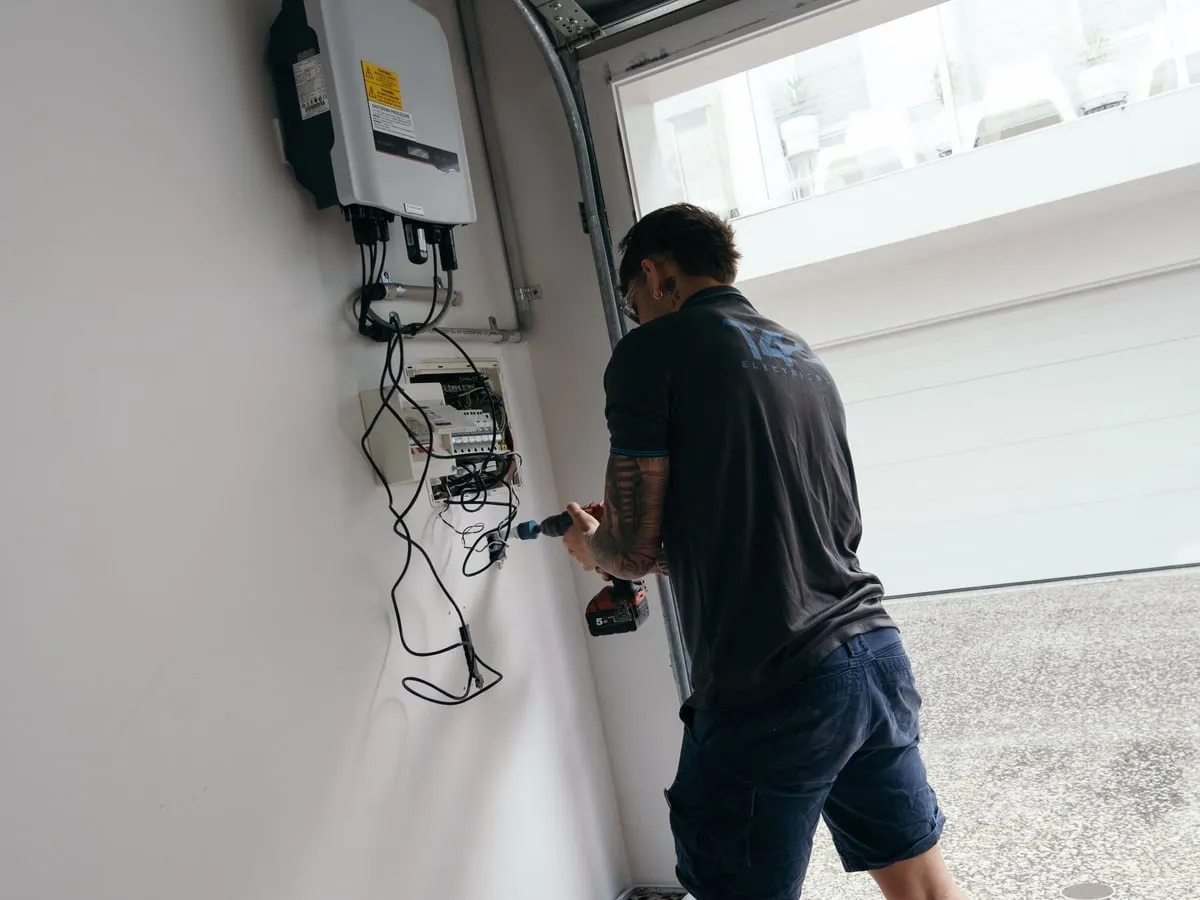
An electrical overload occurs when too many appliances draw more power from a circuit than it is designed to handle. The most common causes are too many devices on a single circuit, power boards stacked with high-draw appliances, old wiring that cannot meet modern demand, and circuits without a dedicated supply for air conditioners or pool pumps. If your circuits trip regularly, a licensed electrician can check the load on each one.
Overloaded circuits are one of the leading causes of electrical fires in Australian homes. Knowing what causes an overload and how to prevent one keeps your family safe and your power running. T42 Electrical & Air Conditioning diagnoses and fixes overloaded circuits across the Gold Coast every week.
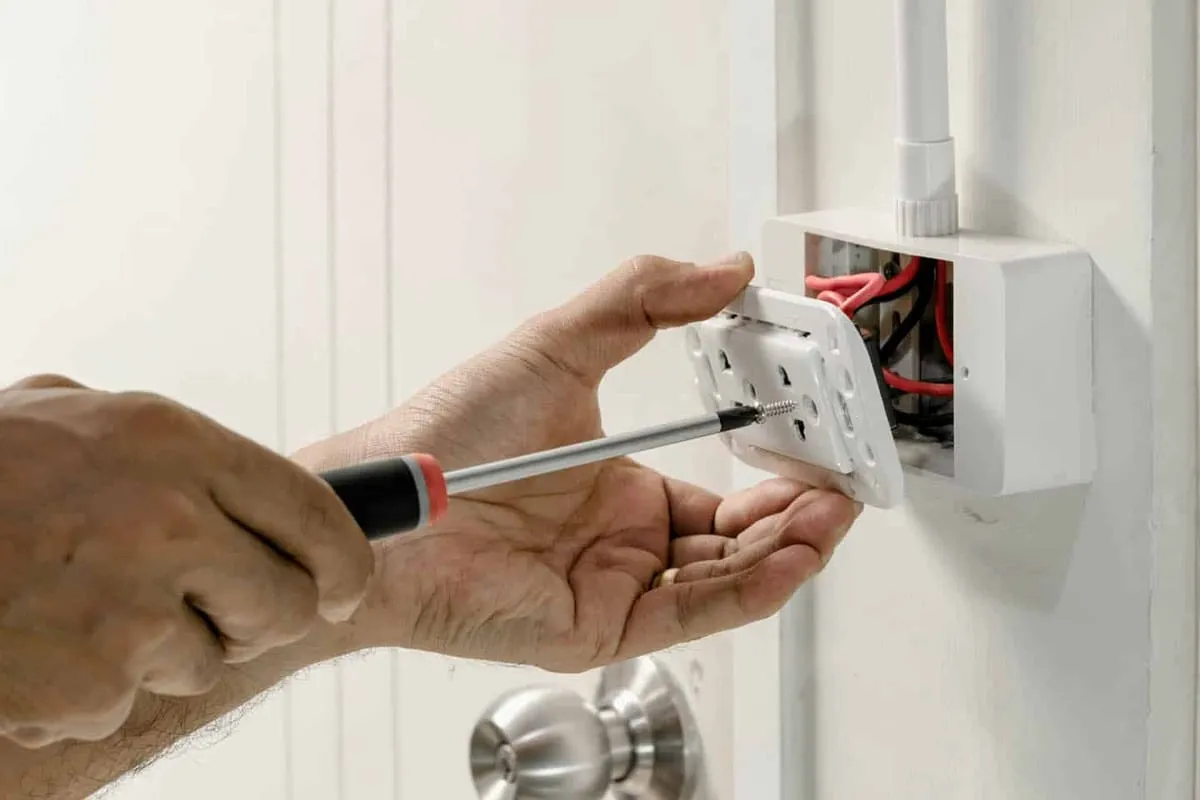
How Electrical Circuits Work
Every circuit in your home is designed to carry a specific amount of electrical current. Exceeding that limit is what causes an overload:
What a Circuit Is Designed to Handle
A standard Australian residential circuit is rated at 20 amps, which means it can safely carry approximately 4,600 watts at 230 volts. That sounds like plenty until you add up the wattage of everything running on that circuit simultaneously. A 2,400-watt air conditioner plus a 2,000-watt kettle on the same circuit already exceeds the safe limit.
What Happens When You Exceed the Limit
When the total power draw exceeds the circuit’s rated capacity, the wiring heats up beyond its safe operating temperature. The circuit breaker detects this excess current and trips to cut the power before the wiring overheats and creates a fire risk.
If the circuit breaker fails to trip, or if someone has replaced it with an incorrectly rated breaker, the wiring can overheat inside the wall.
Why the Circuit Breaker Trips
The circuit breaker is your home’s built-in protection against overload. It monitors the current flowing through the circuit and cuts power within seconds when the load exceeds the breaker’s rated capacity. A breaker that trips occasionally under heavy load is doing its job, but one that trips regularly signals a circuit that needs attention.
Common Causes of Electrical Overload
Several specific situations cause circuits to overload in residential homes. These are the causes I diagnose most often on Gold Coast callouts:
Too Many Appliances on One Circuit
Running multiple high-draw appliances on the same circuit is the most common cause of overload in Australian homes.
A kitchen circuit powering a fridge, microwave, toaster, and kettle simultaneously can easily exceed its rated capacity. Spreading appliances across different circuits or installing additional dedicated circuits prevents this.
Power Boards and Double Adapters
Plugging a power board into another power board, or stacking multiple devices on a single double adapter, concentrates the electrical load at one point.
The power point and circuit were designed for one or two appliances, not six. The Queensland Fire Department recommends using only one appliance per power point.
Air Conditioning Without a Dedicated Circuit
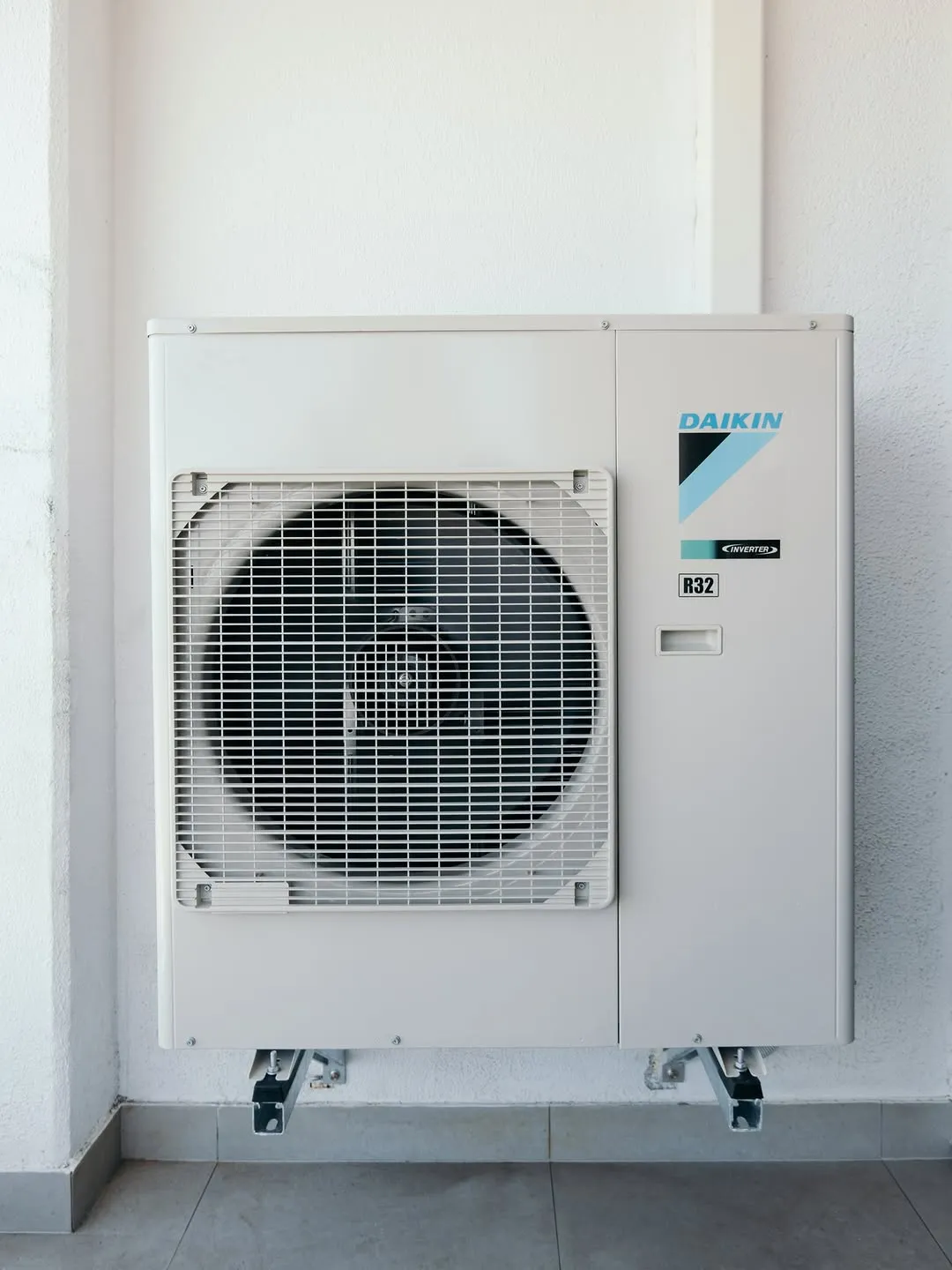
A ducted or large split system air conditioner draws significant power and should always run on its own dedicated circuit.
Older Gold Coast homes in Nerang, Ashmore, and Southport often have the AC connected to a general power circuit shared with other appliances. Adding a dedicated circuit for the air conditioner eliminates overload on that circuit.
Old Wiring Designed for Fewer Appliances
Homes built in the 1970s through 1990s across Carrara, Mudgeeraba, and Robina were wired for far fewer appliances than modern households use.
A home that originally had one power circuit per room now runs TVs, computers, chargers, gaming consoles, and appliances that did not exist when the wiring was installed. The circuits have not changed, but the demand has increased dramatically.
Pool Pumps and Outdoor Equipment
Pool pumps, spa heaters, and outdoor lighting can draw substantial power, especially if they share a circuit with indoor appliances. Many Gold Coast homes have pool equipment connected to the garage or outdoor circuit rather than a dedicated supply. Separating pool equipment onto its own circuit prevents overloading the shared circuit.
Home Office Equipment
Working from home has added computers, monitors, printers, routers, and phone chargers to circuits that were never designed for continuous office-level demand.
A spare bedroom converted to a home office in Coomera, Upper Coomera, or Pimpama may share a circuit with the bedroom next door. This steady additional load pushes the circuit closer to its limit throughout the working day.
More: Why Does My Power Keep Going On and Off?

Which Rooms Overload Most Often
Some rooms are far more prone to overload than others because of the types of appliances they contain:
Kitchen
The kitchen is the highest-risk room for electrical overload because it contains multiple high-draw appliances that are often used simultaneously.
A kettle (2,000W), microwave (1,200W), toaster (900W), and dishwasher (1,800W) on the same circuit exceed the limit instantly. Modern kitchens should have at least two dedicated power circuits plus separate circuits for the oven and rangehood.
Garage and Workshop
Garages accumulate power tools, battery chargers, bar fridges, chest freezers, and sometimes EV chargers on a single circuit.
Each of these draws significant power, and running two or more simultaneously overloads the circuit quickly. A switchboard upgrade to add dedicated garage circuits is one of the most common upgrades we perform.
Living Room and Entertainment Area
Large TVs, sound systems, gaming consoles, set-top boxes, and phone chargers create a steady background load that adds up.
On its own, this is rarely enough to overload, but if the living room shares a circuit with the kitchen or another high-demand area, the combined load can trip the breaker. Checking which rooms share circuits helps identify the risk.
Home Office
A desktop computer (300W), two monitors (100W each), printer (500W), router, and multiple chargers add a sustained load that the bedroom circuit was never designed to carry.
This load runs for eight or more hours per day, which stresses both the wiring and the circuit breaker. A dedicated home office circuit is worth considering if you work from home permanently.
How to Tell If Your Circuit Is Overloaded
Different symptoms indicate different severity levels. This table helps you assess the situation:
| What You Notice | Severity | What to Do |
| The breaker trips when you turn on a specific appliance | Moderate | That appliance may exceed the remaining circuit capacity. Move it to a different circuit |
| Breaker trips regularly during peak use times | Moderate | The circuit is consistently overloaded. Redistribute appliances or add a dedicated circuit |
| The lights dim when a large appliance turns on | Low to moderate | The circuit is loaded near capacity. Monitor and redistribute if it worsens |
| Power point feels warm to the touch | High | The connection is overheating. Stop using that power point and call an electrician |
| Burning smell from a power point or switch | Urgent | Active overheating. Turn off the circuit at the switchboard and call an electrician immediately |
| The breaker does not trip, but the appliances are running hot | High | The breaker may be faulty or incorrectly rated. Call an electrician to inspect |
If you notice a burning smell or warm power points, stop using the circuit immediately. These are signs that the wiring is overheating and a fire risk is present.
More: Why Is Your Power Point Sparking When You Plug In?
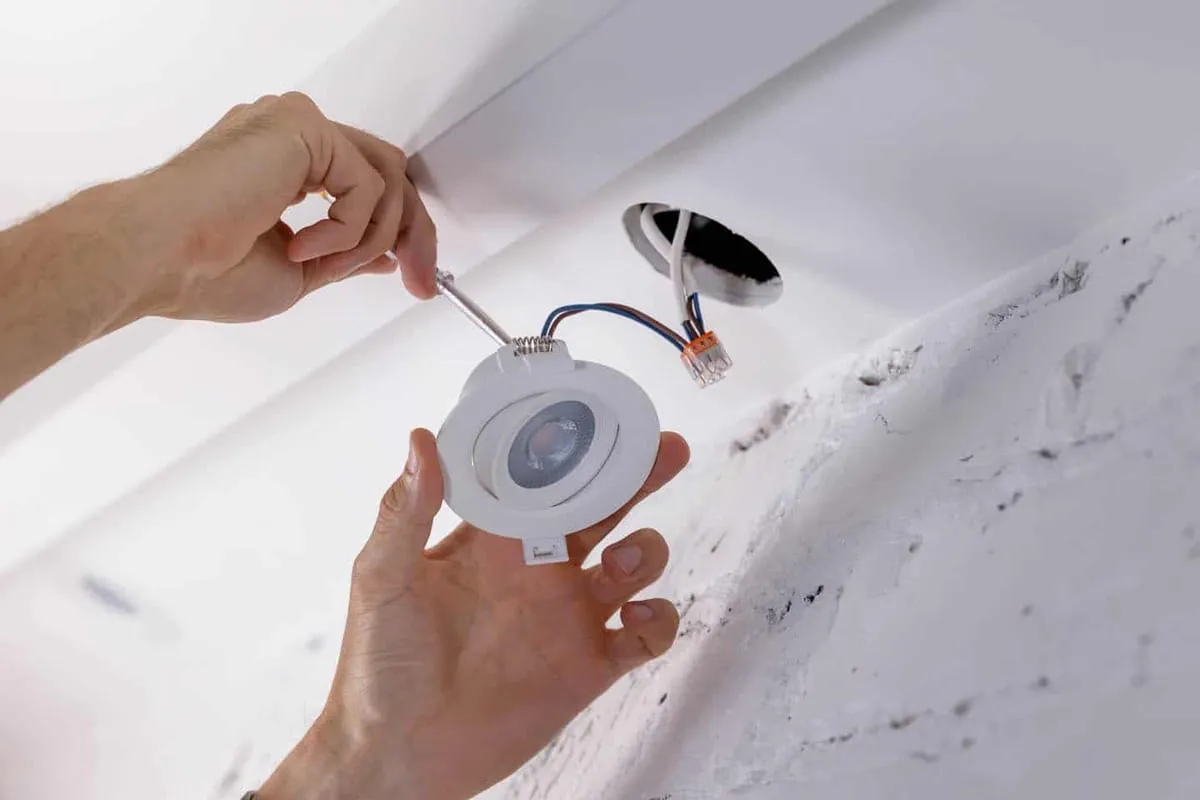
What Overloading Can Cause
An overloaded circuit is not just an inconvenience. Left unaddressed, it creates real danger:
Electrical Fire
Sustained overloading heats wiring insulation beyond its safe temperature, causing it to melt, char, and eventually ignite.
Electrical fires often start inside walls, where they are invisible until significant damage has occurred. According to the Queensland Government, faulty electrical systems are a leading cause of house fires.
Appliance Damage
Overloaded circuits deliver unstable voltage to connected appliances, which can damage sensitive electronics, shorten motor life, and cause premature failure.
Fridges, washing machines, and air conditioners are especially vulnerable to voltage fluctuations caused by overloading. The cost of replacing damaged appliances often exceeds the cost of fixing the overloaded circuit.
Melted Wiring and Power Points
The heat generated by an overloaded circuit melts the plastic insulation on wiring and the housing of power points and switches.
This creates exposed conductors inside the wall that can arc and ignite surrounding materials. A melted power outlet is a clear sign that overloading has already caused damage.
How to Fix and Prevent Electrical Overload
The right fix depends on whether the overload is a usage problem or a wiring problem:
Redistribute Appliances Across Circuits
Identify which appliances share the same circuit by switching off one breaker at a time and checking which devices lose power. Move high-draw appliances to circuits with spare capacity. This is the simplest fix and costs nothing.
Stop Daisy-Chaining Power Boards
Never plug a power board into another power board or into a double adapter. Use a single power board with a built-in overload protection switch, and keep the total load below the board’s rated capacity. If you need more power points in a room, have additional outlets installed by a licensed electrician.
Install Dedicated Circuits for High-Draw Appliances
Air conditioners, ovens, pool pumps, EV chargers, and workshop equipment should each run on their own dedicated circuit. This keeps high-draw appliances isolated from general power circuits and prevents overloading.
Our family-owned team of accredited master electricians installs dedicated circuits as part of every switchboard upgrade.
Upgrade an Outdated Switchboard
If your switchboard has ceramic fuses, rewirable fuses, or insufficient circuits for modern demand, a full switchboard upgrade is the most effective long-term solution. A modern switchboard provides more circuits, correctly rated breakers, and safety switches on every circuit. This eliminates chronic overloading and brings the installation up to AS/NZS 3000 requirements.
Why Gold Coast Homes Are More Vulnerable
Several factors specific to the Gold Coast make electrical overload more common here:
Year-Round Air Conditioning Demand
The Gold Coast’s subtropical climate drives cooling use for eight months or more each year. A ducted system running five hours daily at peak rates draws significant sustained power from circuits that may also supply other appliances.
Homes in Coomera, Upper Coomera, Pimpama, and Helensvale with large floor plans often need multiple dedicated AC circuits.
Older Wiring in Established Suburbs
Homes in Nerang, Ashmore, Southport, and Carrara built before 2000 were wired for a fraction of the electrical demand modern households place on them.
The original circuits cannot safely carry today’s load of air conditioners, multiple TVs, computers, and kitchen appliances. A professional electrical safety inspection identifies which circuits are at risk.
Pool and Spa Equipment
The Gold Coast has one of the highest rates of residential pool ownership in Australia. Pool pumps, chlorinators, spa heaters, and pool lighting all draw power, often from a shared outdoor circuit. A dedicated pool circuit prevents this equipment from overloading other parts of the home.
Growing Electrical Demand From EVs and Solar
Electric vehicle chargers and battery storage systems are adding new high-draw loads to Gold Coast homes that were never designed for them.
A standard 7kW EV charger draws more power than a ducted air conditioner. Planning the electrical supply before installing an EV charger prevents overloading existing circuits.
After diagnosing and fixing an overloaded circuit for a Gold Coast homeowner, the team received this feedback:
“Big thank you to Toby and Lewis for doing an amazing job. You were both polite, punctual, professional and had a great work ethic. I certainly will be recommending T42 Electrical & Air Conditioning, a wonderful company to deal with. Many thanks, Debi
More: Why Is Your Circuit Breaker Buzzing at the Switchboard?
Areas We Service
T42 Electrical & Air Conditioning services homes across the Gold Coast, including Southport, Nerang, Ashmore, Carrara, Robina, Mudgeeraba, Burleigh Heads, Burleigh Waters, Palm Beach, Mermaid Waters, Coomera, Upper Coomera, Pimpama, Pacific Pines, Elanora, Currumbin, Varsity Lakes, Worongary, Helensvale, Broadbeach, and surrounding suburbs.

Stop Overloading Before It Starts a Fire
If your circuit breakers keep tripping or you are not sure whether your circuits can handle the load, call T42 Electrical & Air Conditioning on 0428 374 510. We provide same-day service, no-obligation quotes, and a lifetime workmanship warranty on every job. With 300+ five-star reviews and 25+ years of experience, we fix overloaded circuits and upgrade switchboards across the Gold Coast every day.
Frequently Asked Questions
What causes an electrical overload?
An electrical overload happens when too many appliances draw more power from a circuit than it is rated to handle. The most common causes are multiple high-draw appliances on one circuit, daisy-chained power boards, and old wiring not designed for modern demand. A licensed electrician can test your circuits and identify which ones are at risk.
Can an overloaded circuit cause a fire?
Yes. Sustained overloading heats wiring beyond its safe temperature, which can melt insulation and ignite surrounding materials inside the wall. Electrical overload is one of the leading causes of house fires in Australia.
How do I know if my circuit is overloaded?
Common signs include circuit breakers tripping regularly, lights dimming when appliances turn on, and power points feeling warm to the touch. A burning smell near switches or outlets is a serious warning sign of active overheating. If you notice warmth or burning smells, stop using the circuit and call an electrician immediately.
How many appliances can one circuit handle?
A standard Australian 20-amp circuit can safely carry approximately 4,600 watts at 230 volts. Add up the wattage of every appliance running on that circuit simultaneously. If the total exceeds the circuit’s rated capacity, you need to redistribute or add a dedicated circuit.
Do I need a dedicated circuit for my air conditioner?
Yes. Any air conditioner over 2,000 watts should run on its own dedicated circuit to prevent overloading the general power circuit it would otherwise share. A licensed electrician can install a dedicated circuit from the switchboard directly to the AC unit.
Should I upgrade my switchboard to prevent overloads?
If your switchboard has ceramic fuses, insufficient circuits, or breakers that trip regularly under normal load, a switchboard upgrade is the most effective long-term solution. A modern switchboard provides correctly rated breakers, safety switches on every circuit, and enough circuits for current and future demand. It also brings the installation up to AS/NZS 3000 requirements.

Written by
Fabian Trueman
Founder of T42 Electrical & Air Conditioning, leading a team of accredited master electricians with over 25 years of experience.