 By Fabian Trueman
Yes, you can install an EV charger in a Southport townhouse if the switchboard, parking space, body corporate rules, and electrical supply can support it. A licensed electrician must first assess capacity, approval requirements, metering, cable routes, and safety protection.
Townhouses often make EV charging more complex than detached homes because parking, power supply, and shared infrastructure can overlap. T42 Electrical & Air Conditioning helps Gold Coast owners understand what’s possible before work begins. This guide covers approvals, costs, capacity, safety, and installation steps.
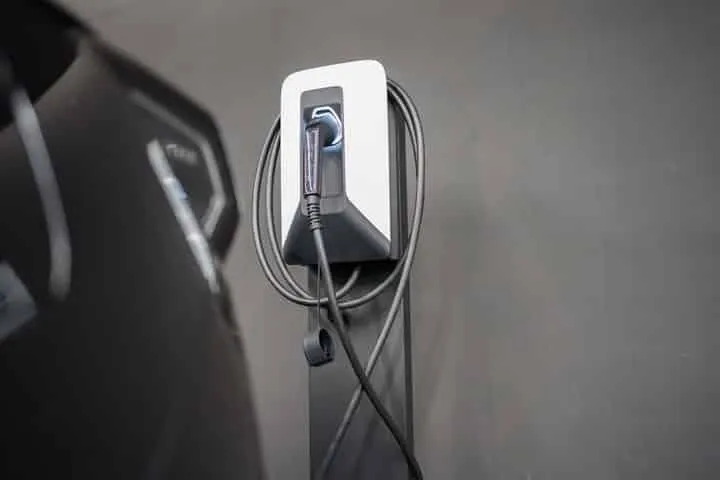
What Makes Townhouse EV Charger Installation Different?
Townhouse EV charger installation is different because parking, switchboards, meters, common property, and approval rules often overlap:
Shared property changes the approval pathway
A Southport townhouse EV charger often involves shared driveways, visitor spaces, common walls, or grouped meter boards. Energy.gov.au says strata residents should request approval from the owners corporation before installing an EV charger in a designated parking space. That approval step matters before any cable route, charger location, or installation plan is finalised.
Parking location affects the electrical design
The easiest installation usually occurs when your car space is close to your townhouse’s switchboard or meter. Basement car parks, detached garages, and remote parking bays need more planning because cable distance affects cost, protection, and neatness. A licensed electrician will check whether the route crosses private lot property or common property.
Electrical capacity decides what charger fits
A townhouse may suit a standard 7 kW single-phase charger, a lower-output charger, or a managed charging setup. Energy.gov.au notes that home EV chargers commonly fall within the 7-22 kW AC range, but installation may require switchboard or supply upgrades. The right answer depends on your existing load, not just the charger you want.
What Approvals Do You Need First?
Before installing an EV charger, you need to confirm body corporate rules, parking rights, electrical capacity, and written approval requirements:
Check your body corporate by-laws
Before installing an EV charger in a townhouse, check whether your scheme has by-laws for parking, common property, electricity use, or appearance changes.
Queensland body corporate guidance says an owner may need approval if the charger connects to common property utility infrastructure. This is common in Southport townhouse complexes with grouped services or shared car parking.
Ask for electrical capacity information
Your body corporate, strata manager, or building manager may already have information about the site’s electrical capacity. Energy.gov.au advises residents to ask whether the building is set up for EV charging and to work closely with the strata manager. This helps avoid wasted quotes when the available supply is limited.
Get written approval before installation
Written approval protects you, the installer, and the body corporate from confusion later. Queensland guidance states that approval may be required for charger placement, electrical infrastructure, cost recovery, usage billing, and future maintenance. Keep the approval conditions with your installation records, especially if you rent out or sell the townhouse.
Can Your Switchboard Handle an EV Charger?
Your switchboard can only support an EV charger if it has enough capacity, protection, space, and safe circuit design:
Your existing load needs to be calculated
An EV charger adds a large and regular load to your electrical system, so guessing is not enough. The electrician should check your main switch rating, existing circuits, air conditioning, hot water, oven, solar, and other high-demand loads. This confirms whether your townhouse can charge safely without nuisance tripping or overloading.
Your switchboard may need upgrading
Older townhouses in Southport, Labrador, and Ashmore may have switchboards designed before EV charging was common. If space, safety switches, cable capacity, or protective devices are unsuitable, a switchboard upgrade may be needed first. This is not a sales add-on; it’s a safety and capacity check.
Single-phase and three-phase matter
Many townhouses have single-phase power, which commonly suits a 7 kW EV charger when capacity allows. Some larger townhouses, commercial-style sites, or newer developments may have three-phase options that support higher charging output. The electrician must confirm the supply type before recommending the charger size.
Load management can solve capacity limits
Load management reduces charger output when the property is already using a lot of electricity. This can help townhouses avoid costly supply upgrades while still charging overnight. It is especially useful where air conditioning, cooking, hot water, and EV charging overlap in the evening.
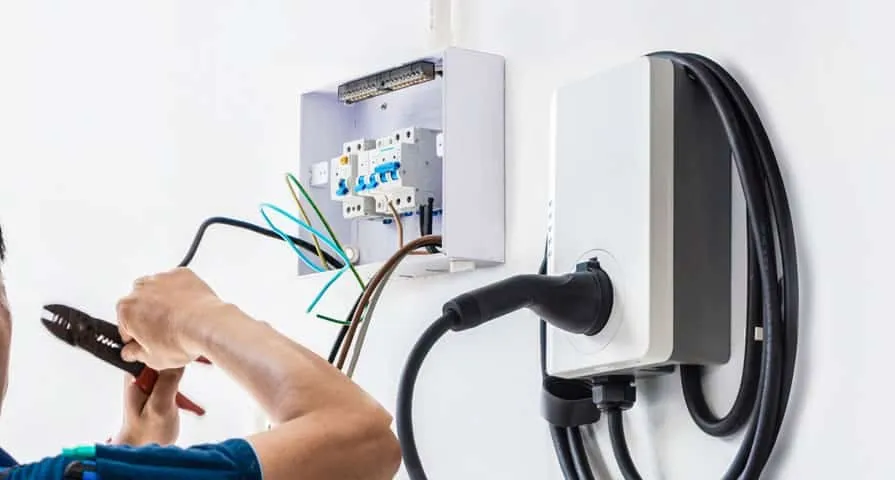
What Charger Options Suit a Southport Townhouse?
The best EV charger option depends on your parking location, electrical supply, charging habits, body corporate rules, and future upgrade plans:
Standard power point charging
A standard power point can charge some EVs slowly, but it is not always suitable for regular daily charging. Energy.gov.au says homeowners can charge from a standard power point, but a dedicated charger enables faster home charging and smart charging. If you rely on nightly charging, a dedicated circuit is usually the safer long-term option.
7 kW wall charger
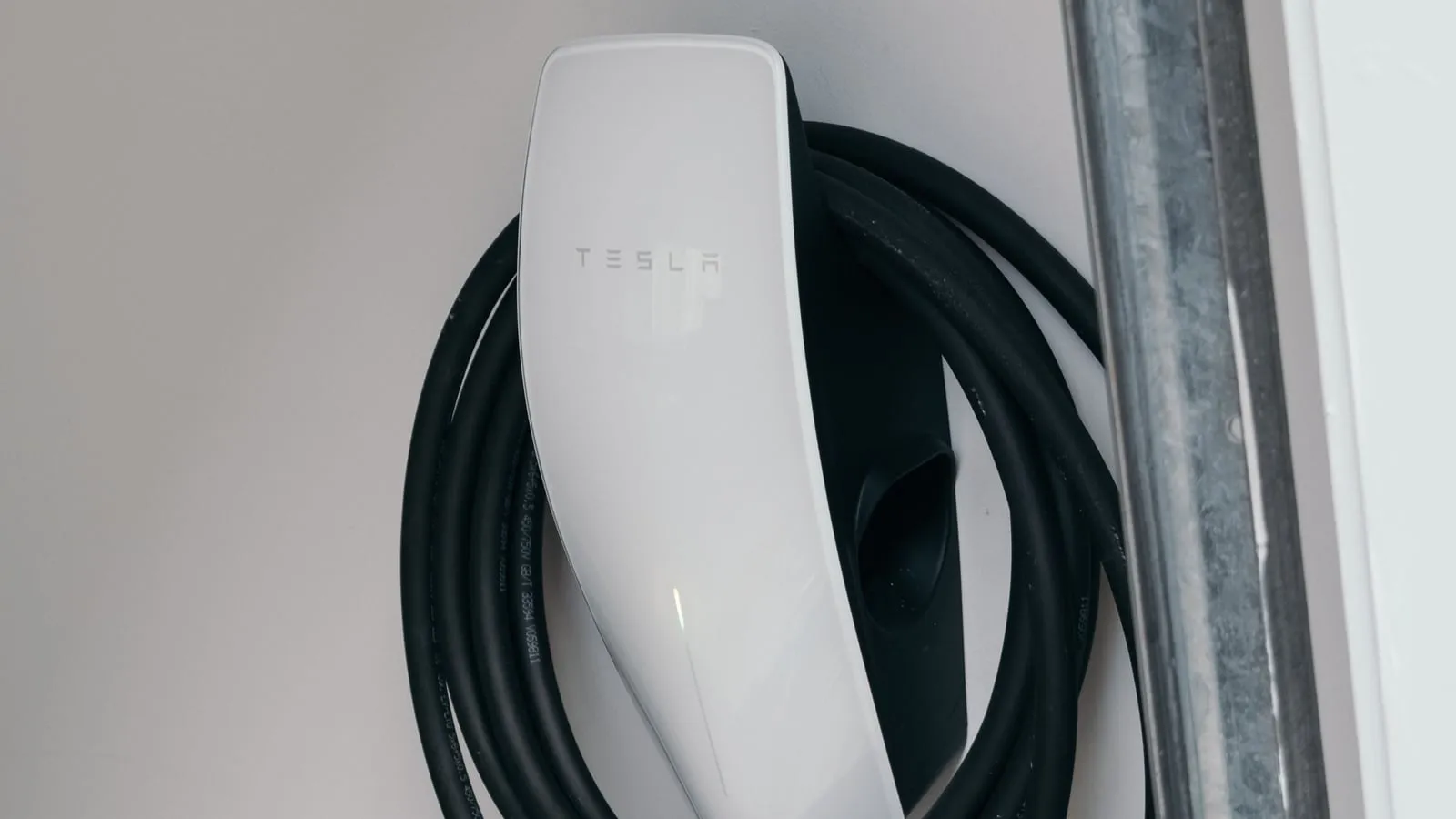
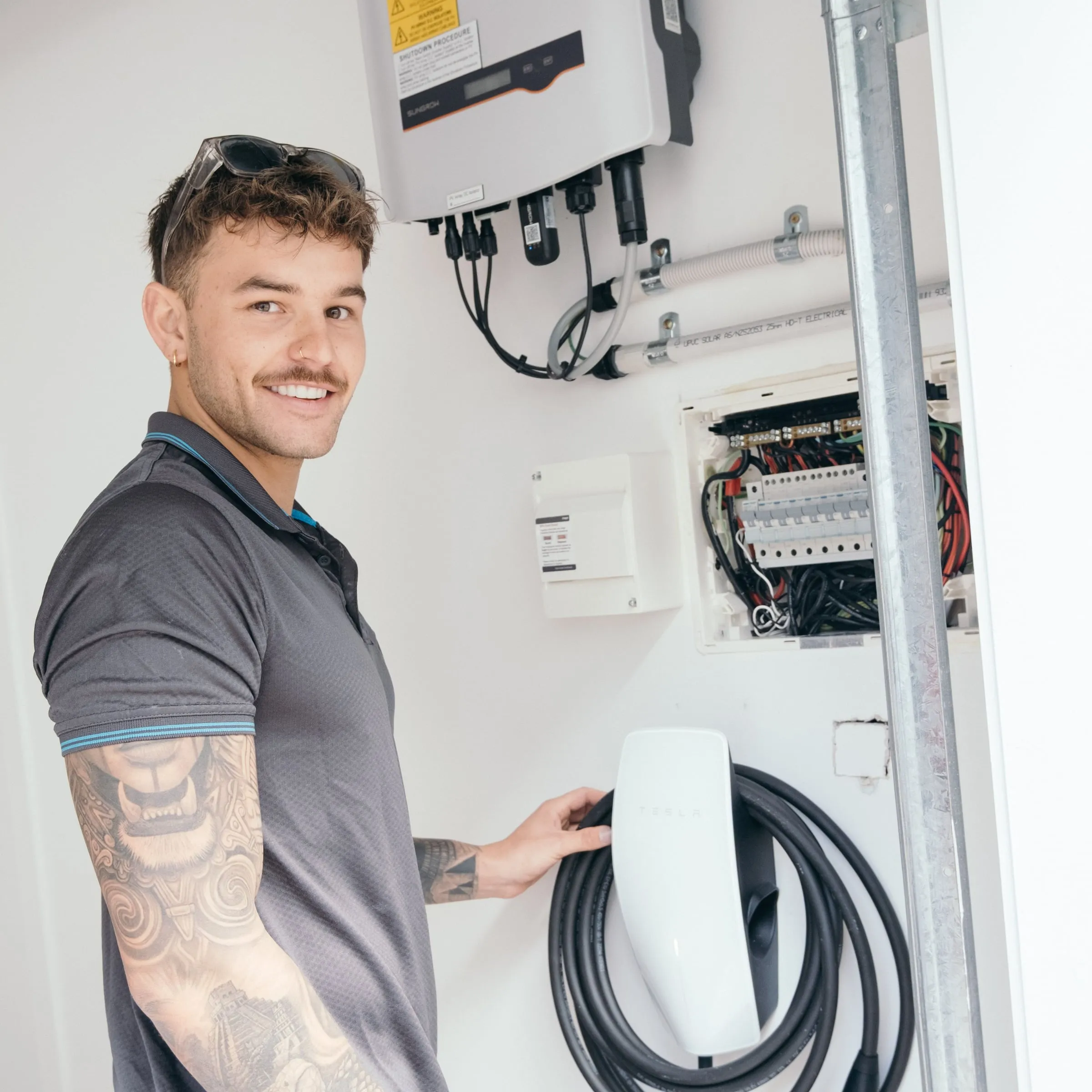
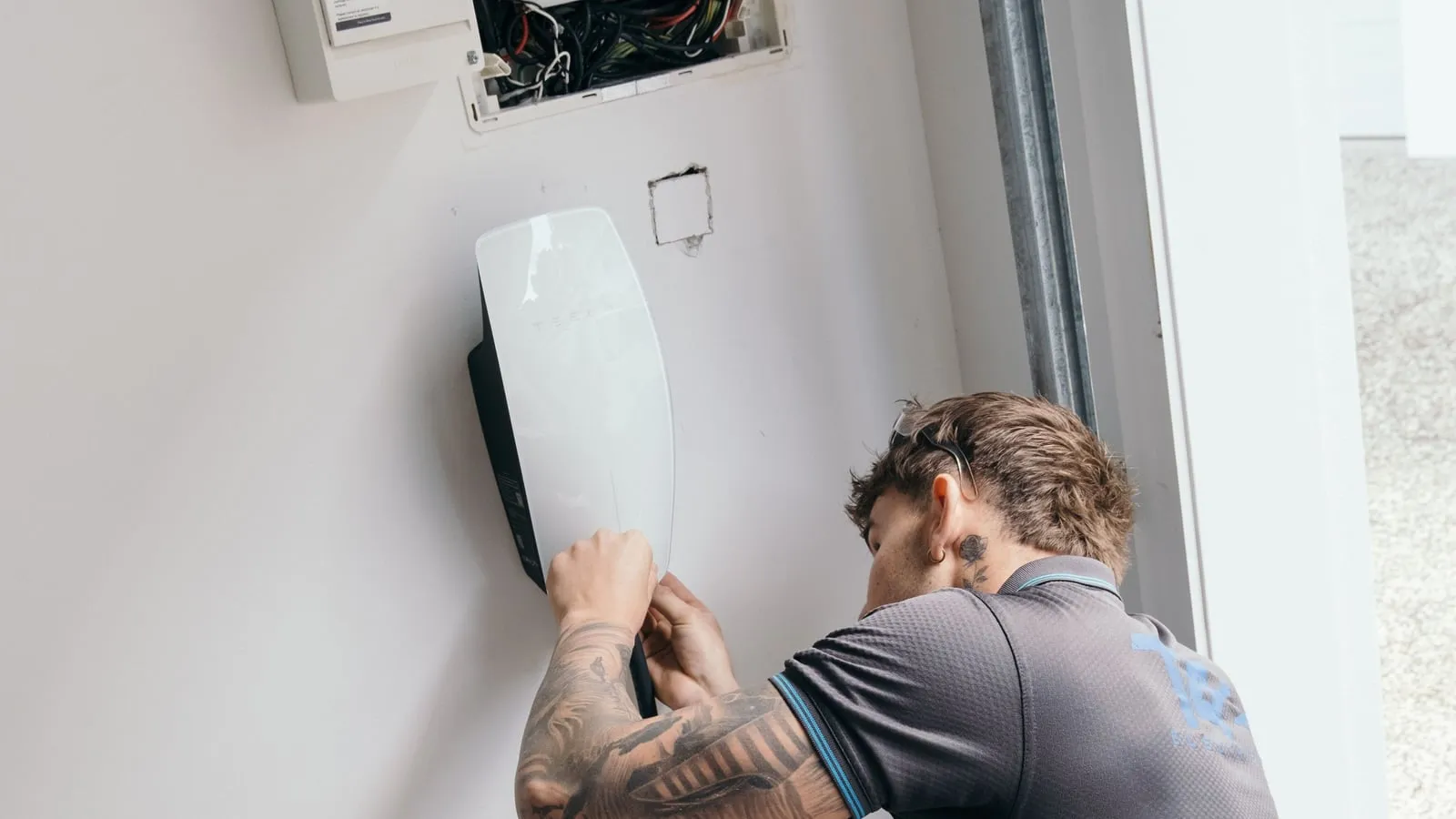
A 7 kW wall charger is a common choice for single-phase townhouse installations. It is usually suited for overnight charging and offers better control than a standard outlet. The exact output still depends on your vehicle, charger model, cable route, switchboard capacity, and supply limits.
Smart EV charger
A smart charger can schedule charging, track usage, and respond to energy settings. This helps townhouse owners charge during cheaper periods or manage solar and household demand more carefully. Smart chargers are also useful where the body corporate wants clearer electricity usage data.
Shared or communal charger
Some townhouse schemes may opt for a communal EV charger rather than individual chargers for each lot. Queensland body corporate guidance says a communal charger may reduce future disputes if existing infrastructure can support fewer chargers than there are lots. This option needs clear rules for access, billing, maintenance, and parking use.
What Will an Electrician Actually Do On Site?
A licensed electrician will inspect the parking space, cable route, switchboard, supply capacity, protection requirements, and approval-ready details:
Inspect the parking space and cable route
A proper EV charger quote starts with the parking space, not just the switchboard. The electrician checks where the vehicle parks, where the charger can be mounted, and how the cable can travel safely. Basement car parks, shared walls, and outdoor bays often need a more detailed route plan.
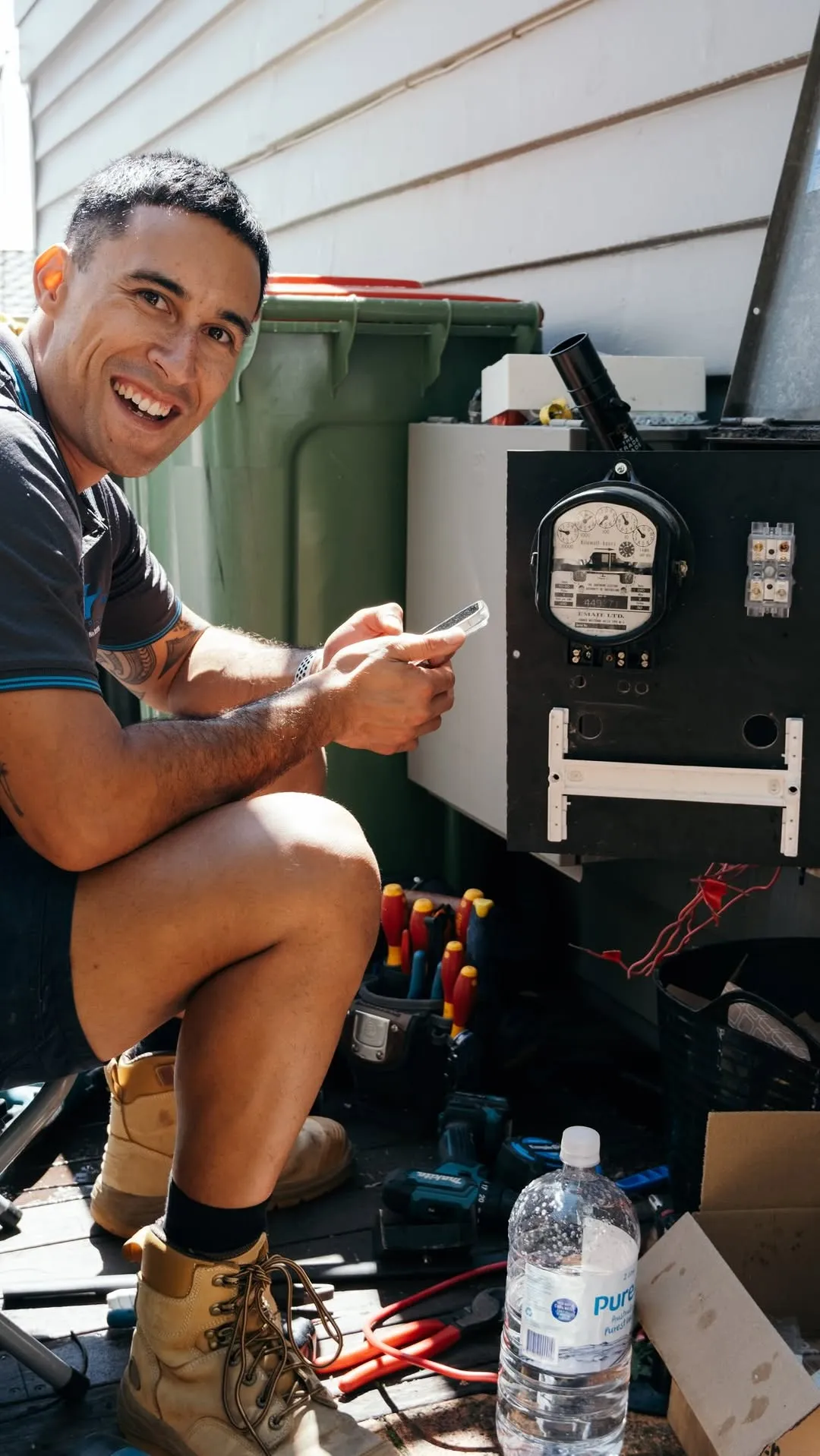
Test supply and switchboard capacity
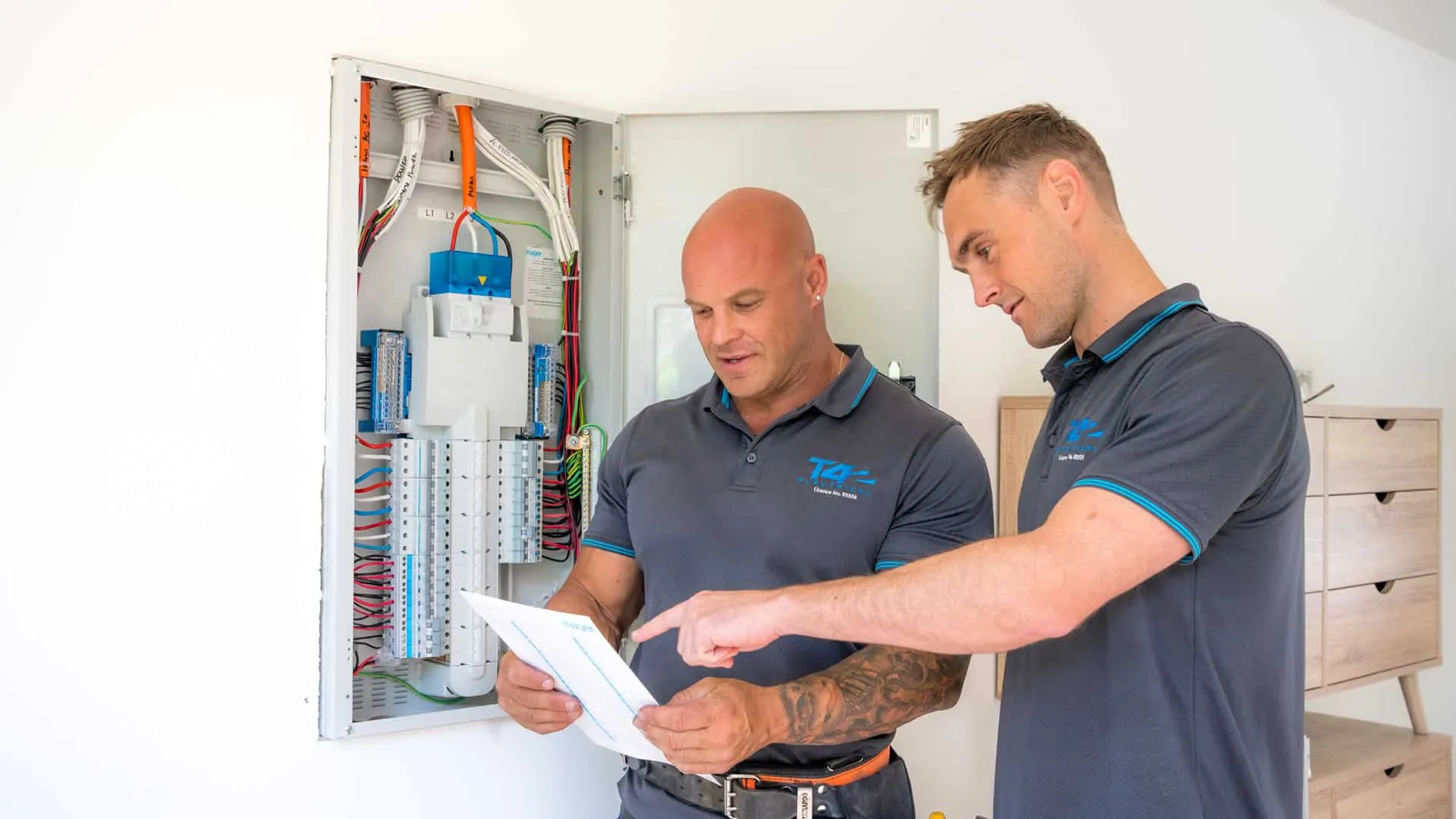
In over 25 years of Gold Coast electrical work, I’ve found that capacity checks prevent most EV charger problems before they start. The electrician will inspect the switchboard, main supply, circuit space, earthing, safety switches, and, if applicable, maximum demand. You get a diagnosis and a fixed-price quote before any work begins.
Confirm protection and compliance
The Electric Vehicle Council says a dedicated circuit should be provided to EV supply equipment, with no other outlets or appliances wired from that circuit. Its installation guidelines also note the roles of RCDs, circuit breakers, and manufacturer instructions in EV charger protection. A licensed EV charger installer will correctly match the charger, circuit, and protection.
Provide approval-ready details
For body corporate approval, you may need a written scope, charger location, cable route, load details, and installation method. The electrician can help explain the technical side in plain language so the committee understands the request. This is often the difference between a vague application and a smooth approval process.
How Much Does Townhouse EV Charger Installation Cost?
Townhouse EV charger installation costs depend on the charger type, cable distance, switchboard condition, load management needs, and approval complexity:
Cost depends on distance and complexity
A Southport townhouse EV charger can be simple or complex depending on the car space and electrical layout. Short cable runs from a nearby switchboard cost less than long runs through basement car parks or common areas. Switchboard upgrades, trenching, concrete work, load management, and approval documents can all change the price.
Use this cost guide as a planning tool
This table gives practical cost factors, not a final quote. Every townhouse site needs an inspection because the body corporate, switchboard, and parking layout can change the job quickly. Clear pricing should be provided before work starts.
| Cost Factor | What It Involves | Typical Impact |
| Charger supply | Wall-mounted EV charger unit | Varies by brand and features |
| Cable route | Distance from switchboard to car space | Longer routes increase labour and materials |
| Switchboard work | Space, RCBOs, safety devices, or upgrades | May be required before charger installation |
| Load management | Smart control to avoid overload | Useful for limited-capacity townhouse supplies |
| Body corporate documents | Scope, layout notes, or technical details | Helps with approval but may add planning time |
| Outdoor protection | Weatherproof charger location and fittings | Important for exposed carports and driveways |
| Common property access | Basement, shared walls, or grouped services | May need extra approval and coordination |
Cheap quotes can miss key requirements
A low quote can look attractive until it leaves out approval support, cable protection, load checks, or switchboard work. EV chargers are long-term electrical infrastructure, not a plug-in accessory. Ask what is included before comparing prices.
Why Is Southport a Strong Fit for EV Charging?
Southport is a strong EV charging location because many homes are townhouses, units, duplexes, and multi-dwelling properties with shared parking needs:
Southport has many townhouse and unit-style homes
Southport has a dense mix of townhouses, apartments, duplexes, and older multi-dwelling properties. These homes often require more planning than detached houses because parking and electrical infrastructure may be shared. A local Southport electrician can assess the site with Gold Coast housing layouts in mind.
Labrador and Biggera Waters have shared parking challenges
Townhouses around Labrador and nearby Biggera Waters often include grouped carports, garages, and visitor bays. Charger placement can become a body corporate discussion because cables may cross common areas. The best plan keeps the installation neat, safe, and easy to maintain.
Robina and Varsity Lakes suit smart charging
Many homes in Robina and Varsity Lakes have modern layouts, garages, and higher appliance loads. Smart charging can help balance EV charging with air conditioning, cooking, and hot water use. That matters during warm Gold Coast evenings when household demand is already high.
Coomera and Upper Coomera are growing EV areas
Newer townhouse developments in Coomera and Upper Coomera are well suited to future EV charging planning. Even when a single owner installs first, the body corporate should consider future charger demand. A clean design can now prevent disputes as more residents buy EVs.
How Can You Avoid Approval and Safety Problems?
You can avoid approval and safety problems by preparing a clear request, using a dedicated circuit, planning billing, and choosing proper installation:
Prepare a clear request
A body corporate is more likely to assess your request properly when the details are clear. Include the charger location, parking bay, cable route, installer details, electrical capacity notes, and who will pay for installation and electricity use. Energy.gov.au provides strata toolkits and checklists to help residents prepare charger requests.
Keep the charger on a dedicated circuit
A dedicated circuit helps protect the EV charger from shared loads and poor performance. The Electric Vehicle Council installation guideline states that no other appliances or outlets should be wired from the circuit supplying the EV charger. This is one of the key checks in a safe residential electrical installation.
Plan for metering and billing
Metering is simple in some townhouses and complicated in others. If power comes from your own meter, billing may be straightforward, but common property supply needs clearer rules. Queensland guidance tells bodies corporate to consider how electricity usage will be metered and charged.
Use a local team that explains the process
The process should feel calm, practical, and easy to understand. “They were so helpful and friendly, taking the time to look at the space and explain the requirements needed. They made the whole process easy to understand.” Penelope Penski Nicholls. That kind of clear explanation matters when your charger needs body corporate approval.
More: How to Prepare Your Switchboard for an EV Charger
When Should You Book an EV Charger Quote?
You should book an EV charger quote before buying the charger, submitting body corporate approval, or assuming your switchboard can handle the load:
Book before buying the charger
The safest time to book a quote is before you buy a charger online. Your townhouse may require a specific charger type, a load management feature, a mounting option, or a body corporate approval document. A pre-check avoids buying hardware that does not suit the site.
Book before submitting approval
A quote and a technical scope can strengthen your body corporate application. It shows where the charger will go, how it will be supplied, and how the installation will avoid common property issues. This is especially helpful for basement car parks, shared driveways, and remote garages.
Book if your switchboard looks full or outdated
A full switchboard does not automatically mean you cannot install an EV charger. It does mean the electrician needs to check capacity, protection, and space before giving a recommendation. A Gold Coast electrician can advise whether upgrades are needed first.
More: How Do You Know If You Have 3 Phase Power
Areas We Service
Our electricians service EV charger jobs across the Gold Coast, including Arundel, Hope Island, Coomera, Upper Coomera, Pimpama, Oxenford, Pacific Pines, Helensvale, Southport, Labrador, Benowa, Bundall, Carrara, Nerang, Robina, Varsity Lakes, Mudgeeraba, Burleigh Heads, Burleigh Waters, Broadbeach, Mermaid Waters, Palm Beach, Currumbin, Elanora, Worongary, and nearby suburbs. Whether your charger is for a basement bay, garage, carport, or shared parking area, the site needs proper electrical planning. T42 Electrical & Air Conditioning helps Gold Coast townhouse owners get a clear answer before installation starts.
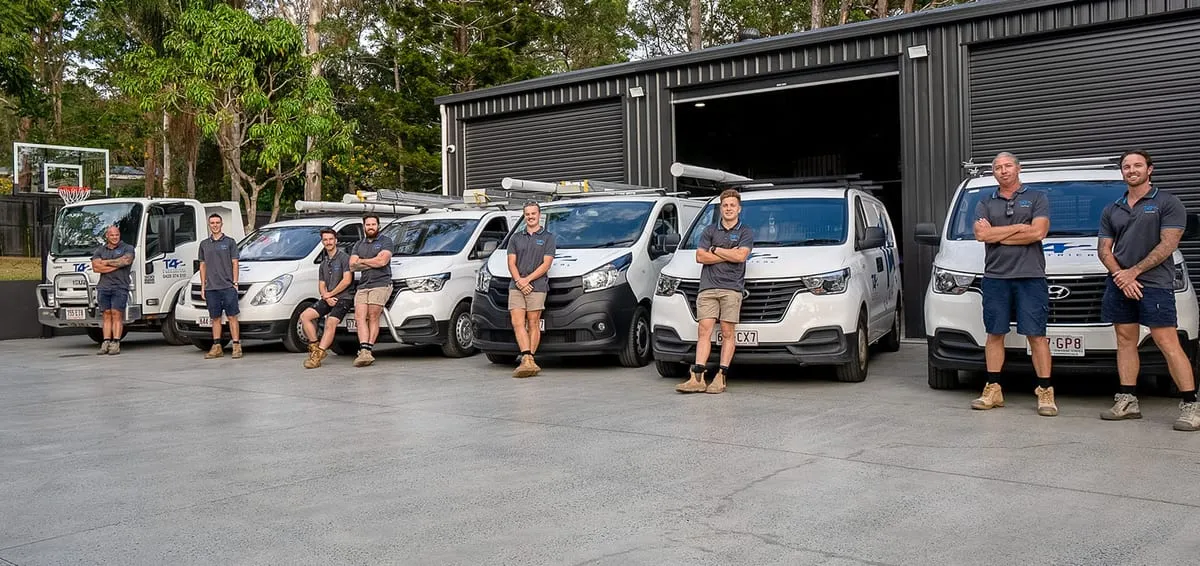
Get Your Southport EV Charger Quote Today
If you want to install an EV charger in a Southport townhouse, call T42 Electrical & Air Conditioning on 0428 374 510 or book your job online. We can inspect your switchboard, parking space, cable route, and approval requirements before you commit. Expect same-day service, clear pricing before work starts, 300+ five-star reviews, 25+ years of experience, and a guarantee of quality workmanship.
Frequently Asked Questions
Can I install an EV charger in my townhouse garage?
Yes, you can install an EV charger in a townhouse garage if the switchboard, cable route, and electrical capacity are suitable. If the garage is part of common property, approval may be needed. A licensed electrician should inspect before installation.
Do I need body corporate approval for an EV charger?
You may need body corporate approval if the charger affects common property, shared infrastructure, appearance, parking areas, or electricity use. Queensland guidance says owners should check by-laws and approval requirements first. Written approval is best before booking installation.
Can I use a normal power point to charge my EV?
You can charge some EVs from a normal power point, but it is slower and may not suit regular use. Energy.gov.au says dedicated chargers provide faster home charging and smart charging options. A dedicated circuit is usually better for daily charging.
Will I need a switchboard upgrade for an EV charger?
You may need a switchboard upgrade if there is not enough capacity, protection, or circuit space. Energy.gov.au notes that a dedicated EV charger may require a switchboard or supply connection upgrade. Your electrician can confirm after inspection.
Who pays for electricity in a townhouse EV charger?
If the charger connects to your own metered supply, you usually pay for it on your normal electricity bill. If it uses common property electricity, the body corporate needs a billing or cost recovery method. This should be agreed before installation.
Is a 7 kW charger enough for a townhouse?
A 7 kW charger is often enough for overnight home charging in a townhouse. It suits many single-phase homes when capacity allows. Your vehicle, driving habits, switchboard, and body corporate rules will decide whether it is the best option.

Written by
Fabian Trueman
Founder of T42 Electrical & Air Conditioning, leading a team of accredited master electricians with over 25 years of experience.