 By Fabian Trueman

When your lights dim or flicker every time you use an appliance, it’s more than a minor annoyance. It’s often a sign of an electrical imbalance that needs expert attention. A licensed flickering lights electrician can identify whether the issue stems from overloaded circuits, loose wiring, or voltage fluctuations that affect your home’s overall safety and energy efficiency.
Flickering lights might seem harmless at first, but they can signal deeper faults hiding behind your walls or switchboard. Understanding what causes these fluctuations, how to spot early warning signs, and when to call a professional can prevent costly electrical failures later on.
Understanding Why Lights Flicker
When lights flicker or dim while using appliances, it’s usually linked to how power is distributed in your home. Voltage, wiring, and circuit load all affect light performance. Before assuming it’s a minor issue, it helps to understand why do lights flicker and what that means for your electrical safety. Knowing the root cause allows you to decide whether a quick fix will do or if it’s time to call for an electrical service.
Voltage Fluctuations Explained
Your home’s power supply constantly adjusts to meet the demand of connected devices. When large appliances start up, they can cause voltage fluctuations at home, briefly reducing the current available for lighting. This momentary dip causes your lights to dim or flicker. While occasional flickers may be harmless, frequent ones could indicate an overloaded system that needs professional assessment.
The Role of Loose Wiring
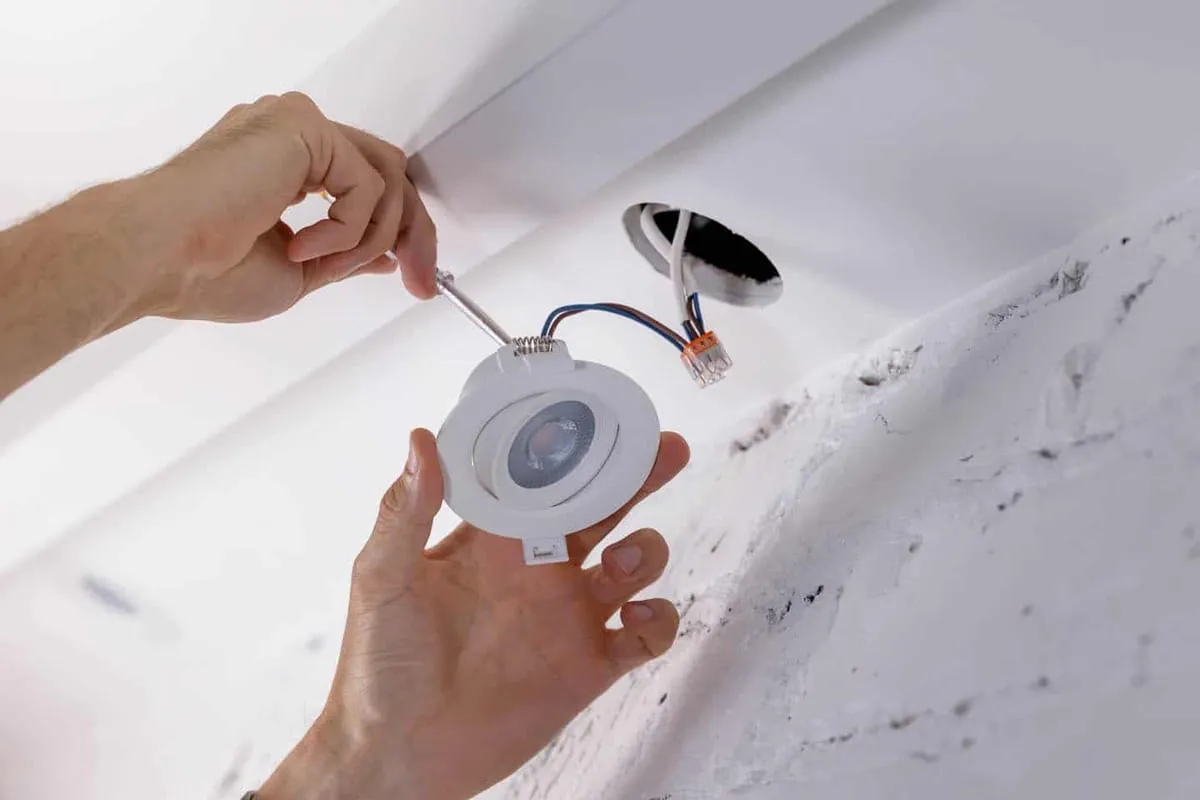
If you notice lights flickering in multiple rooms, it may point to loose wiring flickering lights somewhere in your circuit. Loose connections create intermittent contact, which disrupts the power flow. These can quickly become fire hazards if ignored. Only a licensed electrician should inspect or repair wiring to ensure it meets safety standards and remains compliant with Australian regulations.
Common LED Flickering Issues
Many homeowners experience LED flickering causes without realising it often comes down to compatibility. Older dimmer switches or transformers designed for halogen lights can’t handle LED technology correctly. The mismatch leads to visible flicker or irregular brightness. Upgrading to LED-compatible fittings and dimmers usually resolves this issue and improves energy efficiency.
Circuit Overload and Appliance Demand
High-demand appliances such as air conditioners, washing machines, or microwaves draw significant power when cycling on. These spikes can create a circuit overload, a flickering lights scenario, where your electrical system struggles to balance load distribution. If this happens regularly, your circuits may need to be reconfigured or your switchboard upgraded to safely handle the load.
Why Flickering Lights Should Never Be Ignored
It’s easy to brush off dimming or flickering lights as a harmless quirk, but these changes often signal deeper electrical problems. Understanding why they occur can help prevent larger issues before they escalate. Let’s look at why prompt action matters and when to call an expert.
Safety Risks in Your Home
Flickering lights can indicate wiring faults or overheating connections. When power flow becomes unstable, cables and terminals can generate excess heat. Left unchecked, that heat may cause insulation to deteriorate or even spark electrical fires. Calling an emergency electrician for flickering lights ensures these faults are identified early before they compromise safety.
Appliance and Equipment Damage
Fluctuating voltage affects more than just light bulbs. It can shorten the lifespan of sensitive electronics like computers, televisions, and kitchen appliances. Repeated surges or drops in power strain their internal components, leading to expensive repairs or replacements. Having a flickering lights Gold Coast electrician inspect your home helps stabilise the supply and protect your investment.
Reduced Energy Efficiency
When power delivery isn’t consistent, lights and appliances use more energy to maintain performance. That inefficiency adds up on your electricity bills over time. Addressing these issues early can improve your overall energy use and prevent unnecessary strain on your system. Even small improvements create noticeable long-term savings.
Hidden Electrical System Problems
A flicker could be the first visible symptom of a serious underlying issue. Problems within circuits, dimmers, or the switchboard may remain unseen until they cause a complete outage. A qualified electrician can investigate whether a dimmer switch flickering lights fault, or an ageing switchboard is the true cause. Identifying these early keeps your home compliant and safe.
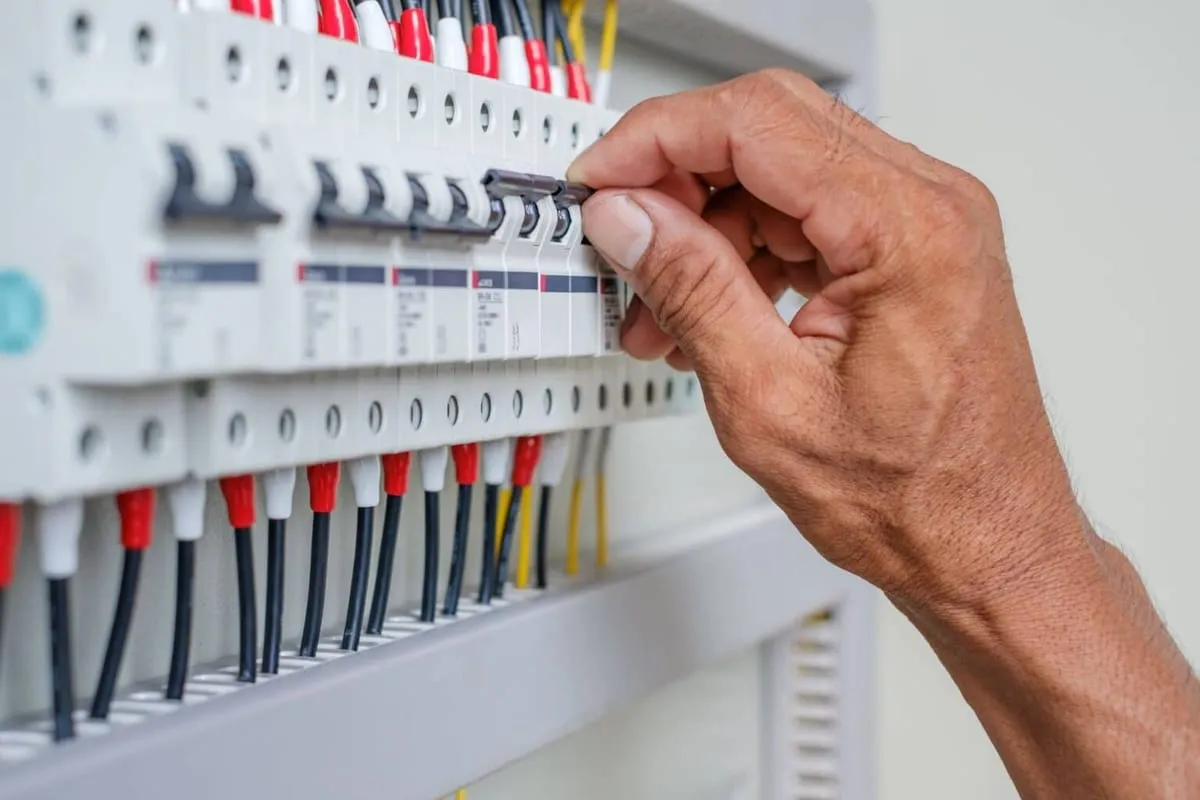
How Voltage and Appliances Affect Your Lighting
Many homeowners wonder why their lights flicker when high-powered appliances start. The answer lies in how electricity flows through your circuits. When a large appliance, such as an air conditioner, washing machine, or vacuum, starts, it draws a surge of current. This temporary power spike causes lights to dim or flicker until the demand stabilises. That’s why consistent voltage fluctuations at home deserve professional assessment.
Balancing Power Loads
Each circuit in your home is designed to manage a specific load. When too many high-draw devices share the same circuit, light stability decreases. Separating heavy-load appliances like fridges or microwaves onto individual circuits helps prevent recurring flicker.
The Role of Electrical Design
Older homes often weren’t built for modern appliance demand. A professional can redesign circuit layouts or add new power lines where needed. This improves lighting stability, especially in rooms where multiple devices run at once.
When Appliances Indicate Larger Problems
If flickering increases when several appliances run together, that’s a sign your system is nearing its limit. Upgrading wiring or installing a new switchboard may be necessary to handle today’s electrical standards safely.
Professional Solutions from a Licensed Electrician
Once you’ve noticed flickering lights, a licensed electrician is your safest and most effective solution. A professional can diagnose complex causes that aren’t visible to the untrained eye and ensure every fix meets Australian standards. Here’s what an expert will typically assess and how it helps restore stability to your home’s lighting.
Detailed Electrical Inspection
A thorough electrical inspection, flickering lights are often the first step. Your electrician will test circuits, connections, and voltage levels to identify exactly where the problem lies. They’ll check whether the issue stems from your wiring, switchboard, or external supply. This step ensures targeted repairs rather than guesswork, saving both time and money.
Switchboard and Circuit Upgrades
In many homes, flickering or dimming lights trace back to outdated or overloaded switchboards. Performing a switchboard upgrade flickering lights service modernises your electrical system, improving its capacity and safety. Upgrading allows your circuits to handle today’s appliance loads without voltage drops, creating steady, reliable lighting throughout your home.
Preventive Maintenance and Safety Checks
Prevention is always better than emergency repair. Regular maintenance keeps your wiring, connections, and fixtures in top condition. Periodic safety checks by a qualified electrician help detect potential risks early, ensuring compliance and peace of mind. It’s a proactive way to extend your system’s life while keeping your family safe.
When to Call a Flickering Lights Electrician
If flickering or dimming occurs whenever an appliance starts, don’t wait for the situation to worsen. A skilled flickering lights electrician can assess your setup, correct faults, and recommend upgrades suited to your home’s needs. They ensure your power supply remains balanced, efficient, and completely safe to use every day.
Preventing Flickering Lights in the Future
Once repairs are complete, a few simple habits can help you prevent flickering from returning. Prevention not only keeps your lighting consistent but also extends the lifespan of your electrical components and appliances.
Schedule Regular Electrical Inspections
Routine inspections by a licensed electrician catch early warning signs before they escalate. These checks include voltage testing, wiring integrity, and switchboard performance. It’s an easy way to ensure ongoing safety and efficiency.
Replace Ageing Fixtures and Cables
Over time, connections loosen and materials degrade. Replacing outdated fittings or wires keeps power flowing evenly and reduces fire risk. A professional can recommend upgrades that match your home’s current load.
Invest in Quality Components
Using approved fittings, LED drivers, and dimmers prevents compatibility issues. This is especially important for LED lighting systems, which are sensitive to an inconsistent power supply.

Get Help from a Trusted Flickering Lights Electrician on the Gold Coast
Flickering or dimming lights are often your home’s way of telling you something’s wrong. Don’t ignore the signs or rely on quick DIY fixes. A qualified flickering lights electrician will inspect your system, uncover hidden issues, and restore stable, safe lighting for your family.
At T42 Electrical & Air Conditioning, we combine over 25 years of experience with a genuine commitment to quality and safety. Our local team offers same-day service across the Gold Coast, backed by a Lifetime Workmanship Warranty for complete peace of mind. Whether it’s a faulty circuit, voltage fluctuation, or wiring issue, we’ll find and fix the cause quickly and professionally. If old fittings are part of the problem, LED lighting installation is worth considering.
For dependable electrical expertise you can trust, call T42 Electrical & Air Conditioning on 0428 374 510 today. Let our licensed electricians keep your home safe, compliant, and perfectly lit all year round. Our electrical fault finding services can trace the cause when it isn't obvious.

Written by
Fabian Trueman
Founder of T42 Electrical & Air Conditioning, leading a team of accredited master electricians with over 25 years of experience.