 By Fabian Trueman
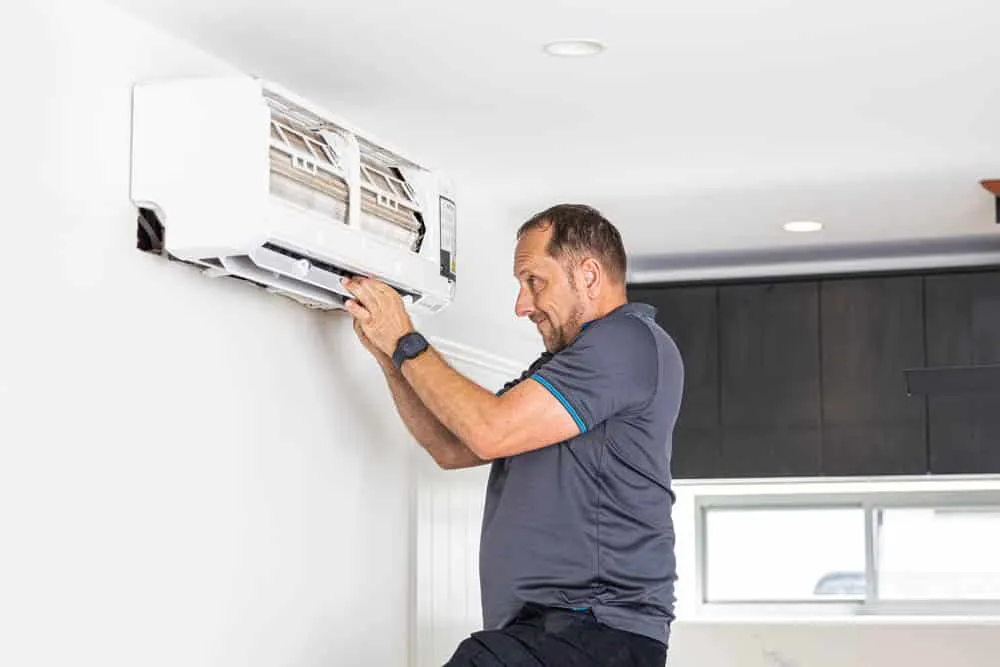
An air conditioner leaking water from the indoor unit has a drainage fault, usually a blocked condensate drain or a dirty filter freezing the coil. Drips from the outdoor unit’s pipes are normal condensation. Switch off at the power point, check the filters and drain hose yourself, and leave refrigerant, tray and pump faults to a licensed technician. If the leak keeps coming back, have the unit checked by technicians who are also Gold Coast electricians.
Robina homes running split systems through a humid Gold Coast summer send plenty of condensate down their drains. T42 Electrical & Air Conditioning holds an electrical licence and an ARC refrigerant licence, so the wiring and refrigerant sides of a leak sit with one licensed team. This guide covers causes, warning signs, first steps, when to call a professional and prevention.
Why Air Conditioners Leak Water Inside Robina Homes
February’s mean 9am relative humidity at Gold Coast Seaway is 72%, with January at 70% and March at 71%, per the Bureau of Meteorology. Every drop your system pulls from that air needs draining:
Condensate Is Normal, Pooling Is Not
Air conditioners remove humidity from the air as they cool, and Actron Air explains that this moisture normally drains away through a condensate line. Most of the time you never see it. The CHOICE maintenance guide likens it to water beading on a cold drink, but calls leaking and pooling water “a problem and a safety risk”.
Indoor Unit Leaks vs Outdoor Unit Drips
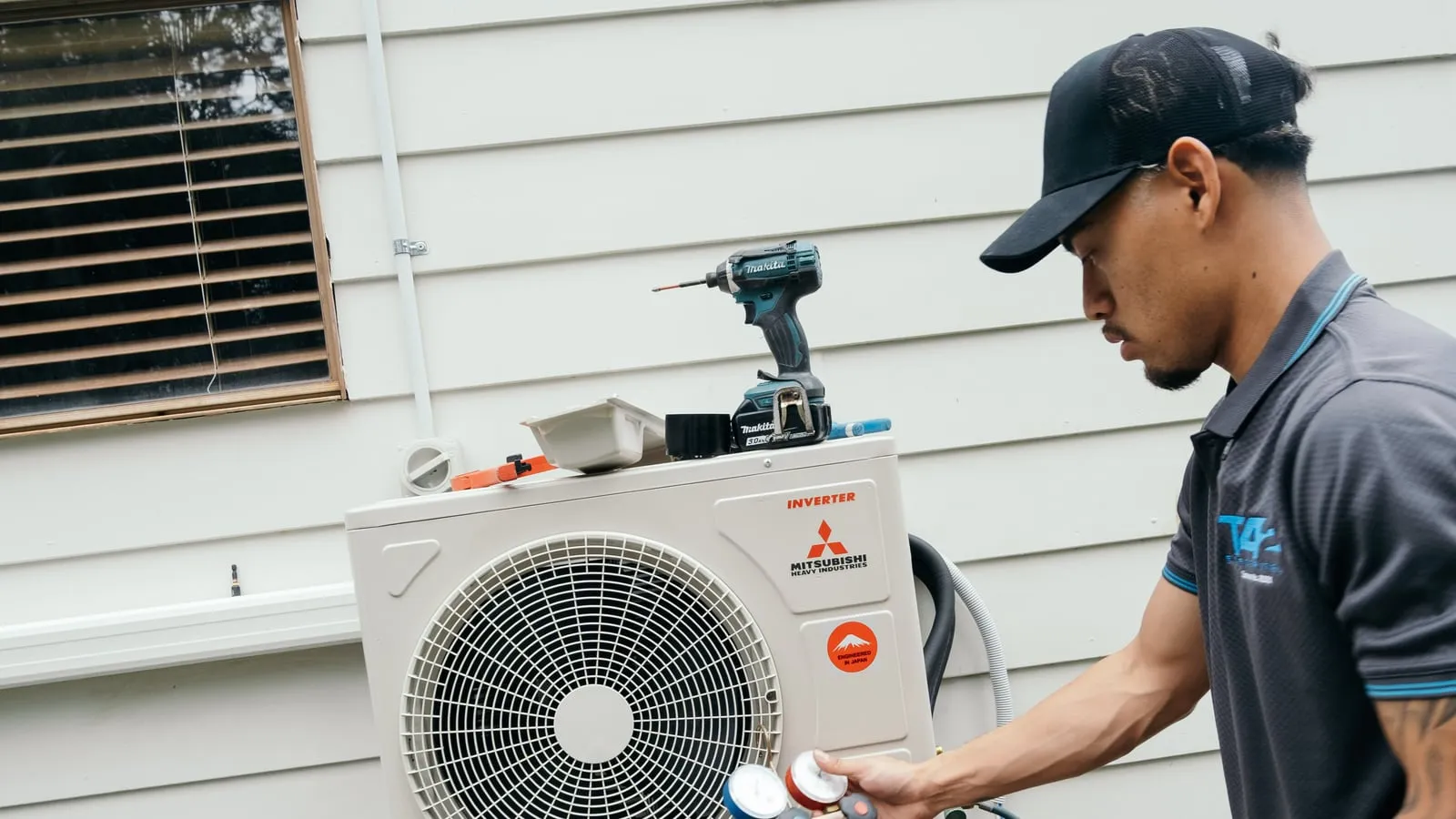
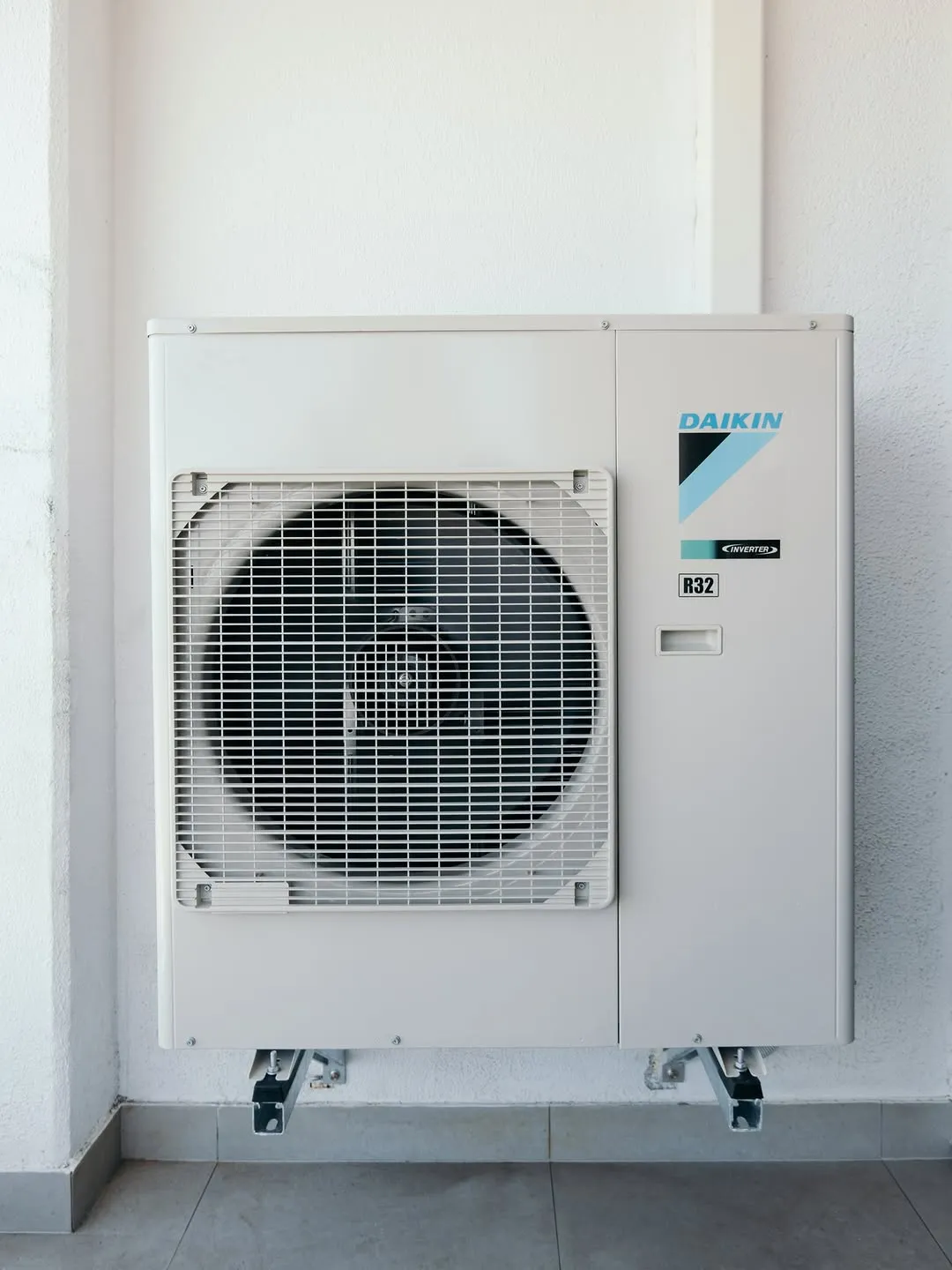
Water leaking from your air conditioner’s outside unit is usually normal condensation. Samsung Australia says the outdoor pipes can drip when temperature or humidity changes sharply, and calls this normal.
A split system air conditioner leaking water inside, from the indoor unit on the wall, is a different story. That points to a drainage fault, so find the cause before stains or mould appear.
Gold Coast Humidity and Your Split System
Humid air gives a split system more water to strip out as it cools. Those muggy months mean more condensate for the drain line to carry away from the indoor unit.
The CHOICE cleaning guide warns that in very humid or dusty homes, gunk can block the indoor unit’s drainage pipe and cause leaks. That blocked pipe heads the list of common causes below.
Common Causes of Air Conditioner Leaking Water
Water trickling down the wall onto the floor under the indoor unit means condensate isn’t leaving the way it should. Actron Air explains the first four of these six causes:
- Blocked condensate drain line. It’s one of the most common causes of aircon leaks. Dust, mould or debris builds up and stops the water draining, so it overflows inside the unit.
- Dirty filter and frozen coil. A clogged filter restricts airflow until the coil freezes. When the ice thaws, the extra water can overwhelm the drip tray and leak.
- Low refrigerant. A low charge can make the system work harder, freezing the coil and creating excess condensation as it thaws. Fixing it is licensed refrigerant work.
- Cracked or corroded drip tray. A damaged tray can’t hold the water draining from the system, so the water escapes before it reaches the drain line.
- Failed drain pump. The CHOICE maintenance guide lists a pump malfunction among the causes of leaking and pooling water. Units that rely on a pump stop draining once it fails.
- Unit not level or drain hose kinked. Samsung Australia says an unlevelled unit can cause leakage. So can a drain hose that’s bent, raised above the indoor unit or sitting in water.
Left running, any of these keeps pushing water into walls, ceilings and carpet.
Warning Signs of an Air Conditioner Leak in Gold Coast Homes
Why would a brown stain creep across the ceiling near a ducted outlet when no water is dripping into the room? Each sign below points to its own likely fault and next step:
| Sign | Likely Cause | What to Do |
| Water dripping from the indoor unit | Blocked drain or frozen coil | Switch off, check the filter |
| Ice on pipes or coil | Dirty filter or low refrigerant | Switch off, call a licensed technician |
| Water marks on the ceiling | Ceiling-mounted or ducted leak | Call a professional |
| Musty smell from the vents | Damp filter or mould growth | Clean filters, book a service |
| Drips from outdoor pipes only | Normal condensation | No action needed |
Actron Air lists leaks from ceiling-mounted or ducted systems as a reason to call a professional. Mould is another risk, and the Queensland Government says it especially affects people with asthma, allergies or a weakened immune system. It advises cleaning up indoor leaks immediately, so book a check once a ceiling mark appears.
What to Do When Your Air Conditioner Is Leaking Water
A quick look at the filters shows whether fixing an air conditioner leaking water inside is a clean-and-dry job. Cut the power first, then work through these four steps in order:
Switch Off at the Power Point
Turn the air conditioner off at the power point before you touch anything, the first step the CHOICE maintenance guide gives for a leak. If water has reached a power point or the unit keeps cutting out, book electrical fault finding instead of switching it back on.
Should the safety switch trip while the unit is leaking, leave it off until the circuit is checked.
More: Why Does My Safety Switch Keep Tripping?
Clean and Dry the Filters
Slide the filters out, since thick dust restricts airflow and freezes the coil. CHOICE’s cleaning guide says manufacturers usually recommend cleaning them every few weeks, and more often the more you use the unit.
Let them dry completely before refitting, then restart the unit and watch whether the drips stop.
Check the Drain Hose Outside
Follow the drain hose outside to its end, looking for the hose faults listed above. Straighten any kinks, keep the hose running below the indoor unit and lift its end clear of puddles.
Did the leak start soon after installation or a move? Ask the installer to check the hose fall and the unit’s level.
Try Dry Mode on Humid Days
When humid outside air keeps flowing in, Samsung Australia suggests running Dry mode for 3 to 4 hours before switching back to Cool. It also lists a low set temperature as a cause of dew on the indoor unit and generally recommends 26°C.
Filters and hoses are owner jobs, whereas a pump needs a technician and refrigerant needs a licence.
When a Leaking Air Conditioner Needs a Licensed Technician
Handling fluorocarbon refrigerant without an ARC licence is a strict liability offence, says the Australian Refrigeration Council, and anyone who handles refrigerant must hold one. Other leak faults need a technician too:
Refrigerant Faults Need an ARC Licence
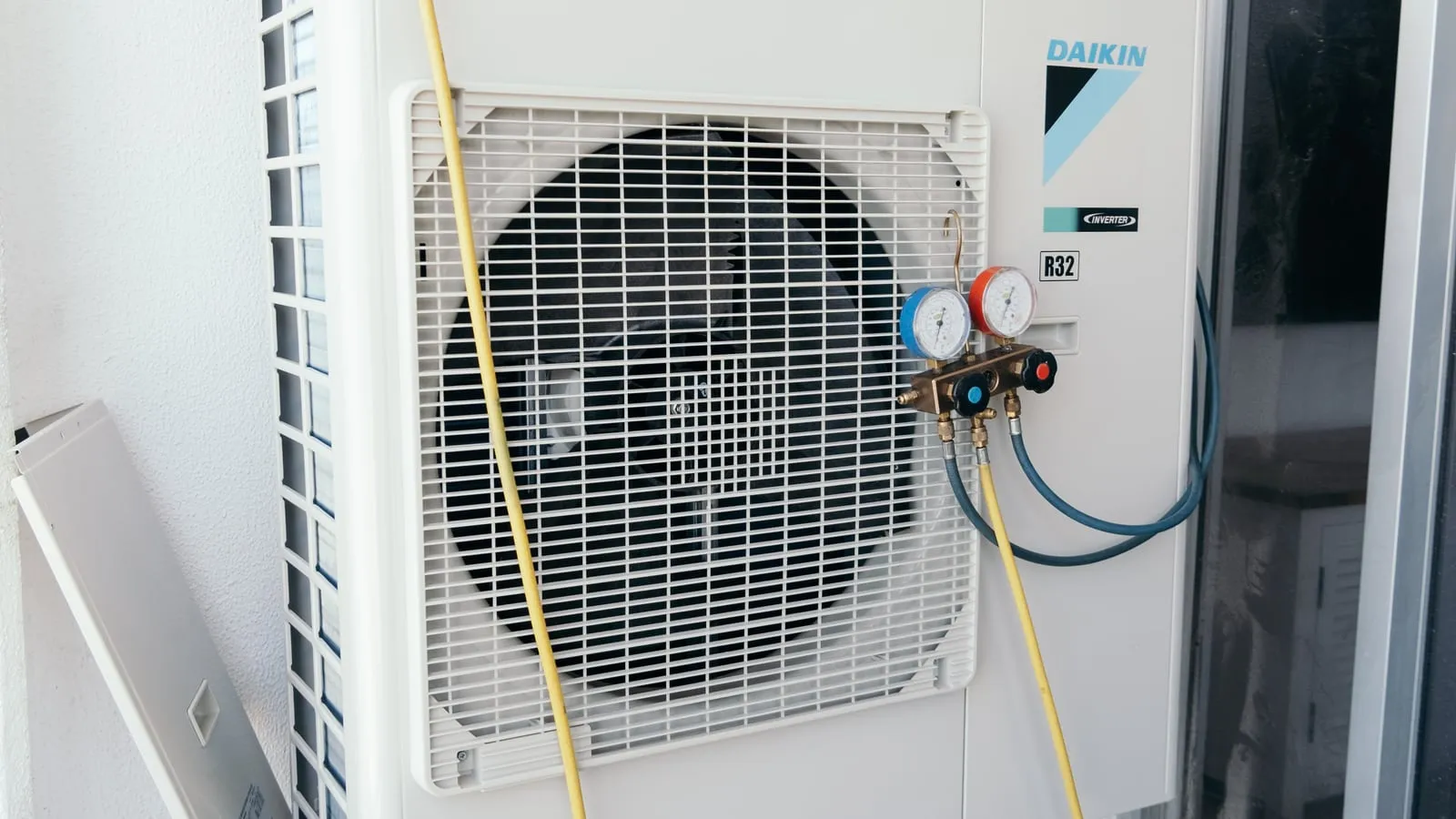
Daikin Australia is just as blunt: repairs to an air conditioner’s sealed refrigeration system are never a DIY job. If ice on the coil points to low refrigerant, the leak has to be found and fixed by someone holding that licence.
Drain Pumps, Drip Trays and Ceiling Leaks
Pump and drip tray faults sit inside the unit. The CHOICE maintenance guide says water and electricity are a poor mix, so troubleshooting is best left to specialists. Its advice is to have a licensed technician diagnose the cause.
Water marks under a ceiling-mounted or ducted air conditioning unit, flagged in the warning signs above, go to a technician as well. Keep the unit switched off until then, with a towel or bucket under any drip.
What Happens on a Leak Call-Out
Our air conditioning repairs service starts with an on-site diagnosis and a quote before any work begins. Nothing on the system is touched until you agree to that quote. Queensland electrical licence 83326 and ARC refrigerant licence L160535 sit with our licensed team.
If drips return after a filter clean, book that diagnosis instead of running the unit again.
More: Why Do Your Lights Flicker When the Air Conditioner Turns On?
Preventing Air Conditioner Leaks Before a Gold Coast Summer
One filter clean a month through summer is the easiest leak prevention, and Daikin Australia recommends exactly that. Its guide adds a licensed technician’s look-over at the start of every summer, with a drain flush.
The CHOICE cleaning guide suggests running fan-only mode or a dry-out program now and then to keep the inside of the indoor unit dry. It also recommends a filter clean in spring, so the unit is ready for peak season. A professional maintenance service should include cleaning the drainage, it adds, especially in very humid areas.
Set a monthly filter reminder from December. Book an air conditioning service in late spring, too, so a licensed technician looks the unit over before the humid months. Skip these habits and gunk builds up until the drainage pipe blocks and the indoor unit leaks.
Conclusion
An air conditioner leaking water inside the house is telling you the condensate has nowhere to go. Usually the drain line is blocked or a clogged filter has iced the coil. Water dripping off the outdoor pipes is simply condensation doing its job.
Switch the unit off at the power point before you investigate, because pooled water near wiring is a genuine safety risk. Your own checks end at the filters, the outside hose and Dry mode. Refrigerant work needs an ARC licence, and pumps, trays and ceiling leaks need a technician’s diagnosis.
If the drips keep coming, book a licensed check before the humid peak of summer arrives.
Areas We Service
T42 Electrical & Air Conditioning diagnoses and repairs leaking split system and ducted air conditioners for homes and businesses across the Gold Coast. That includes Robina air conditioning, Mudgeeraba air conditioning, Merrimac air conditioning, Carrara air conditioning and Worongary air conditioning call-outs, plus homes in Varsity Lakes, Burleigh Waters and Reedy Creek. Wherever your home is, start with the filter and hose checks above, then call if the leak keeps coming back.

Get Your Robina Air Conditioner Leak Fixed Today
Water dripping from your indoor unit won’t fix itself, and every day the unit runs adds to the damage. Switch it off at the power point, then call T42 Electrical & Air Conditioning on 0428 374 510 or book online for a licensed diagnosis in Robina. Here’s what comes with it:
- Electrical and ARC refrigerant licences (83326 and L160535) under one roof
- No-obligation quotes before any work starts
- Lifetime Guaranteed Workmanship Warranty
- 300+ five-star reviews
Frequently Asked Questions About Air Conditioner Leaking Water
Quick answers to common questions about a leaking split system or ducted unit, from drain faults to refrigerant and mould:
Why is my air conditioner leaking water inside?
In a split system or reverse cycle unit, water inside usually means a blocked condensate drain or a dirty filter that froze the coil. When the ice thaws, it can overflow the drip tray.
Is it normal for water to drip from the outside unit?
Yes, drips from the outdoor unit’s pipes are normal condensation, which forms as temperature or humidity shifts on muggy Gold Coast days. Water from the indoor unit points to a drainage fault instead.
Is a leaking air conditioner dangerous?
Yes, leaking and pooling water is a safety risk, particularly near power points and wiring. Switch the unit off at the power point and clean up the water quickly, because lingering water encourages mould.
Can I keep running my air conditioner if it’s leaking?
No, switch it off at the power point until you know the cause. If clean filters and a clear hose don’t stop the drips, have a licensed technician diagnose it before running it again.
Can a leaking air conditioner cause mould?
Yes, water left sitting indoors can lead to mould, so clean up any leak immediately. Mould is a particular health concern for anyone with asthma, allergies or a weakened immune system.
Does a leaking air conditioner mean it’s low on refrigerant?
Not always, because a blocked drain or dirty filter causes the same symptom. Low refrigerant can freeze the coil, which leaks as it thaws, and the repair needs an ARC-licensed technician.

Written by
Fabian Trueman
Founder of T42 Electrical & Air Conditioning, leading a team of accredited master electricians with over 25 years of experience.